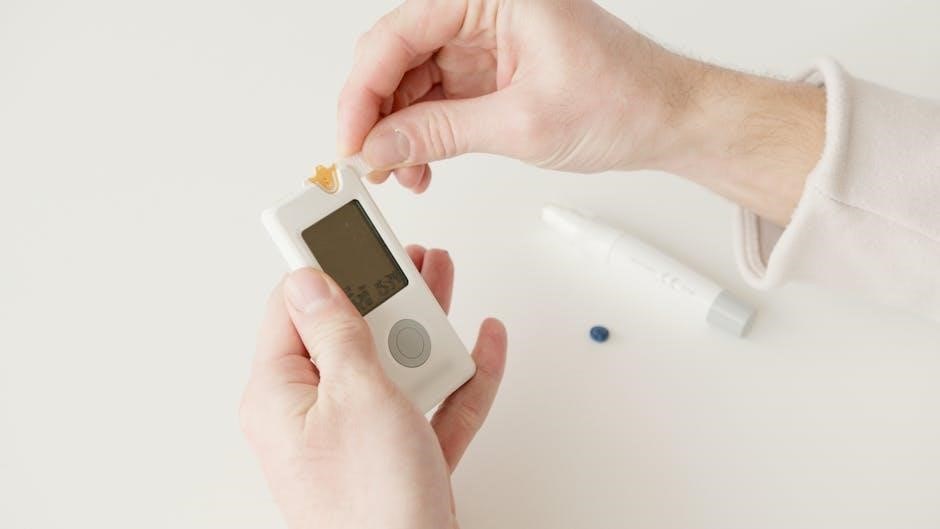
ew 100 g3 sennheiser manual

Sennheiser EW 100 G3: A Comprehensive Manual Overview

This manual provides reliable guidance for the safe operation and maintenance of your new Sennheiser EW 100 G3 wireless system. Refer to the official Sennheiser documentation, available on sennheiser.com, for detailed instructions and support.

The Sennheiser EW 100 G3 is a widely-used, dependable wireless microphone system known for its robust performance and ease of use. This system caters to a diverse range of applications, including presentations, filmmaking, electronic news gathering, and musical performances. It operates within the 2.4 GHz frequency band, offering a reliable and interference-resistant signal.

This manual serves as a comprehensive guide to understanding and operating your EW 100 G3 system effectively. It details each component, from the transmitter (SK 100 G3) to the receiver (EK 100 G3), and provides step-by-step instructions for setup, pairing, and troubleshooting. Understanding the LED indicators and menu navigation is crucial for optimal performance.

The EW 100 G3’s popularity stems from its user-friendly design and professional-grade audio quality. Whether you’re a seasoned professional or a first-time user, this guide will equip you with the knowledge to maximize the system’s capabilities. Remember to consult the Sennheiser product page for the latest updates and documentation.

Unpacking and System Components

Upon opening your Sennheiser EW 100 G3 package, carefully verify that all components are present and undamaged. The standard system typically includes one EK 100 G3 receiver, one SK 100 G3 transmitter, one ME 2 lavalier microphone (or handheld microphone head, depending on the kit), and various accessories.

Accessories generally include an antenna, a clip for the transmitter, and a USB cable for powering and firmware updates. Check for the instruction manual, which is a vital resource for understanding the system’s features and operation. It’s important to retain the original packaging for potential warranty claims or future transport.

Inspect each component for any physical damage incurred during shipping. If any parts are missing or damaged, immediately contact your retailer or Sennheiser support. Familiarize yourself with the function of each component before proceeding with setup. Proper identification of each part will streamline the setup process and ensure optimal performance of your wireless system.

Transmitter (SK 100 G3) Overview

The Sennheiser SK 100 G3 transmitter is a robust, handheld or bodypack device designed for reliable wireless audio transmission. It features a clear LCD display providing crucial information like frequency, battery status, and signal strength. The transmitter operates on a wide range of frequencies within the G3 series, offering flexibility and minimizing interference.

Key features include adjustable output power levels (High, Low, and Auto) to optimize battery life and range. It accepts standard AA batteries, providing extended operation. The integrated microphone input accommodates various Sennheiser lavalier or headset microphones. A 3.5mm jack allows for direct line-level input from external audio sources.

Controls are intuitive, with buttons for power, menu navigation, and synchronization. The menu allows for customization of settings like RF output power, audio gain, and squelch. The SK 100 G3’s compact design and lightweight construction ensure comfortable operation during extended use. Always refer to the manual for detailed explanations of each function.

Receiver (EK 100 G3) Overview

The Sennheiser EK 100 G3 receiver is a true diversity receiver engineered for stable and interference-free audio reception. It boasts a user-friendly LCD display showcasing vital information such as frequency, signal strength (RF level), and audio level. Operating within the G3 frequency range, it offers a wide selection of channels to avoid interference.

Key features include adjustable squelch control to minimize unwanted noise and a headphone output for monitoring. The receiver also features balanced XLR and unbalanced 1/4″ jack outputs for connecting to mixers, amplifiers, or recording devices. It supports both handheld and bodypack transmitters.

Controls are straightforward, with buttons for power, menu navigation, and synchronization. The menu allows customization of settings like RF sensitivity, audio gain, and channel selection; The EK 100 G3’s robust build quality ensures reliable performance. Consult the manual for a comprehensive understanding of all receiver functionalities and optimal setup procedures.

Powering the System

The Sennheiser EW 100 G3 system utilizes both AA batteries for the transmitter (SK 100 G3) and receiver (EK 100 G3), or external DC power options. For the transmitter, use high-quality AA batteries; rechargeable NiMH batteries are also supported, offering cost savings and environmental benefits. Ensure correct polarity when inserting batteries.

The receiver can operate on two AA batteries or via a 12-24V DC power supply. When using a DC power supply, verify it meets Sennheiser’s specified voltage and current requirements to prevent damage. Avoid placing the units near heat sources like radiators.

Battery life varies depending on transmitter power settings and usage. The LCD displays provide battery status indicators. Low battery warnings alert you when replacement is needed. Always use the same type of batteries in both channels for optimal performance. Refer to the manual for detailed battery information and power-saving tips.

Setting Up the Antenna

Proper antenna setup is crucial for optimal range and signal quality with the Sennheiser EW 100 G3 system. The receiver (EK 100 G3) features BNC connectors for antenna attachment. Use only Sennheiser-approved antennas, as mismatched impedance can cause signal loss and interference.

For handheld operation, ensure the receiver’s antenna is oriented vertically. When using a diversity setup with two antennas, position them spaced apart and in a vertical orientation for best reception. Avoid obstructions between the transmitter and receiver antennas, such as walls or metal objects.

Antenna cable length should be kept to a minimum to reduce signal attenuation. Use high-quality, low-loss coaxial cables. Regularly inspect antennas and cables for damage. Incorrect antenna setup can significantly reduce operating range and increase the likelihood of dropouts. Consult the manual for detailed antenna diagrams and recommendations.

Frequency Scanning and Selection

The Sennheiser EW 100 G3 system offers automatic frequency scanning to identify the clearest channels for operation. Access the scan function through the receiver’s (EK 100 G3) menu. The receiver will analyze the RF spectrum and suggest frequencies with minimal interference.

After scanning, the receiver displays a list of suitable frequencies. Select a frequency that is not already in use by other wireless systems in the vicinity. Manual frequency selection is also possible, but scanning is recommended for optimal performance. Be aware of local regulations regarding permitted frequency bands.

Synchronization with the transmitter (SK 100 G3) is essential after frequency selection. This ensures both units operate on the same frequency. Interference can occur if multiple systems operate on the same channel. Regularly rescan frequencies, especially when moving to a new location.

Pairing the Transmitter and Receiver

Pairing the Sennheiser SK 100 G3 transmitter with the EK 100 G3 receiver is crucial for establishing a reliable wireless connection. Begin by ensuring both units are powered on. Access the pairing function through the receiver’s menu – typically found under “Pairing” or “Sync.”

The receiver will then enter pairing mode, indicated by a specific display message or LED behavior. Simultaneously, activate the pairing mode on the transmitter. This often involves pressing and holding the “Set” button on the SK 100 G3 until the LED flashes.

Once both units are in pairing mode, they will automatically synchronize. Successful pairing is confirmed by a solid LED on both the transmitter and receiver. If pairing fails, repeat the process, ensuring no other wireless devices are interfering. Synchronization is vital after frequency selection, guaranteeing both units operate on the same channel.

Adjusting Audio Settings

The EW 100 G3 system offers several audio settings to optimize sound quality for various applications. Access these settings via the receiver’s menu system; Key adjustments include the input sensitivity, which controls the signal level from the transmitter; adjust this to match the microphone’s output for a clean, strong signal.

Furthermore, you can modify the low-cut filter to reduce unwanted low-frequency noise, such as rumble or wind. The limiter function prevents audio clipping during loud passages, ensuring a consistent output level. Experiment with these settings to find the optimal configuration for your specific recording or performance environment.

Pay attention to the audio level meters on the receiver to monitor the signal strength and avoid distortion. Proper audio adjustment is essential for achieving professional-sounding results with your Sennheiser EW 100 G3 wireless system.

Using the Menu Navigation

The EW 100 G3 receiver utilizes a straightforward menu navigation system, controlled by a combination of buttons and the LCD display. The rotary dial allows you to scroll through menu options, while the ‘Set’ button confirms selections. The ‘Back’ button returns you to the previous menu level.

To access the main menu, press the ‘Menu’ button. From there, you can adjust various settings, including frequency, audio parameters, and display options. The LCD screen clearly displays each menu item and its current value. Familiarize yourself with the menu structure to efficiently configure the system.

Navigating the menus is intuitive, but consulting the full instruction manual is recommended for a complete understanding of all available options. Remember to save any changes made before exiting the menu to ensure they are applied. Proper menu navigation unlocks the full potential of your Sennheiser EW 100 G3 system.

Understanding LED Indicators

The Sennheiser EW 100 G3 system employs LED indicators on both the transmitter (SK 100 G3) and receiver (EK 100 G3) to convey crucial operational status information. These visual cues provide quick insights into battery life, signal strength, and synchronization status.

On the transmitter, a green LED typically indicates normal operation, while a red LED signals low battery. A blinking LED may indicate a transmission error or synchronization issue. The receiver’s LEDs display signal strength – green for strong, yellow for moderate, and red for weak or no signal.

Furthermore, the receiver’s LEDs also communicate synchronization status. A blinking LED during pairing signifies the search for a transmitter signal. A solid LED confirms a successful connection. Regularly monitoring these LED indicators allows for proactive troubleshooting and ensures optimal system performance. Refer to the manual for a complete decoding of all LED patterns.

Troubleshooting Common Issues

Experiencing problems with your Sennheiser EW 100 G3? Several common issues have straightforward solutions. First, if you encounter no audio, verify the transmitter and receiver are properly paired and that the volume levels are appropriately adjusted on both units. Check cable connections if using a wired input.

Interference can cause static or dropouts. Utilize the frequency scanning function to identify and switch to a clearer channel. Ensure the antenna is correctly positioned and free from obstructions. Low battery is another frequent culprit; replace or recharge batteries as needed.

If the system fails to synchronize, ensure both units are within close proximity during the pairing process. For Windows 11 driver issues (ew_usbccgpfilter.sys), consider using a virtual machine or exploring updated driver installations. Consult the Sennheiser support resources for more complex problems and detailed troubleshooting steps.

Low Battery Warnings and Replacement

The Sennheiser EW 100 G3 system provides clear warnings when battery levels are low. Both the transmitter (SK 100 G3) and receiver (EK 100 G3) feature visual LED indicators that illuminate red when battery power is critically low. Additionally, some models may emit an audible warning signal.

To replace the batteries, locate the battery compartment on each unit. Typically, these compartments accept AA-sized batteries. Use high-quality alkaline or rechargeable NiMH batteries for optimal performance. Ensure correct polarity when inserting new batteries. Avoid mixing old and new batteries, or different battery types.

Regularly check battery levels, especially during extended use. Consider carrying spare batteries for uninterrupted operation. Low temperatures can significantly reduce battery life, so take extra precautions in cold environments. Refer to the technical specifications for estimated battery life under various conditions.

Operating Range and Interference

The Sennheiser EW 100 G3 boasts a typical operating range of up to 100 meters (330 feet) in open environments, offering substantial freedom of movement. However, this range can be significantly affected by obstacles and interference. Walls, buildings, and even human bodies can attenuate the signal, reducing the effective range.

Potential sources of interference include other wireless devices operating on similar frequencies, such as Wi-Fi routers, Bluetooth devices, and other wireless microphones. To minimize interference, perform a frequency scan (described elsewhere in this manual) to identify and select a clear channel. Avoid operating near known sources of strong RF signals.

Antenna placement is crucial for maximizing range and minimizing interference. Ensure the antennas are properly connected and positioned for optimal signal reception. Consider using an external antenna amplifier in challenging environments. Remember that the specified range is a theoretical maximum and real-world performance may vary.

Cleaning and Maintenance

To ensure the longevity and optimal performance of your Sennheiser EW 100 G3 wireless system, regular cleaning and proper maintenance are essential. Periodically wipe the transmitter and receiver housings with a soft, dry cloth to remove dust and dirt. Avoid using abrasive cleaners or solvents, as these can damage the finish.

For stubborn dirt, slightly dampen the cloth with a mild detergent solution, ensuring it is thoroughly wrung out before use. Never allow any liquid to enter the units. Inspect the antenna connectors regularly for corrosion or damage. If corrosion is present, gently clean the connectors with a contact cleaner specifically designed for electronic equipment.

Store the system in a clean, dry place when not in use. Avoid exposing the units to extreme temperatures, humidity, or direct sunlight. Regularly check the battery contacts for cleanliness and proper function. Proper care will help maintain the reliability and performance of your EW 100 G3 system for years to come.

Safety Precautions

To guarantee safe operation of your Sennheiser EW 100 G3 wireless system, adhere to these crucial safety precautions. Do not expose the units to excessive heat sources like radiators or stoves; these can cause malfunction or damage. Always use the specified power adapters provided by Sennheiser to avoid electrical hazards.

Never attempt to disassemble or repair the system yourself. Refer all servicing to qualified personnel to prevent electric shock or damage to the product. Avoid operating the system in wet or humid environments, as this increases the risk of electrical shock. Keep the units away from flammable materials and liquids.

Ensure adequate ventilation around the units during operation to prevent overheating. Do not block the ventilation openings. Handle the antenna carefully to avoid damage or personal injury. Follow all instructions outlined in this manual for safe and reliable operation of your EW 100 G3 system. Prioritize safety for optimal performance.

Technical Specifications

The Sennheiser EW 100 G3 series boasts a frequency range of 70 MHz, offering a substantial number of channels for reliable operation. Its switching bandwidth is typically 20 MHz, ensuring minimal interference. The transmitter (SK 100 G3) delivers an RF output power of 30 mW, while the receiver (EK 100 G3) exhibits a high sensitivity of -100 dBm.

Audio frequency response spans from 80 Hz to 12 kHz, providing clear and intelligible sound. Total harmonic distortion (THD) is less than 1%, ensuring high audio fidelity. Signal-to-noise ratio exceeds 12 dB, minimizing unwanted noise. The system operates on a power supply of 12-14 V DC, with a battery life of up to 8 hours for the transmitter.

Dimensions vary slightly between components, but generally remain compact and portable. Weight is approximately 285g for the receiver and 80g for the transmitter. The system supports both XLR and 1/4″ jack audio outputs. These specifications contribute to the EW 100 G3’s professional-grade performance and versatility.

EW 100 G3 and Windows 11 Driver Issues (ew_usbccgpfilter.sys)

Users connecting their Sennheiser EW 100 G3 systems to Windows 11 may encounter issues with the ‘ew_usbccgpfilter.sys’ driver. This typically manifests as a driver loading failure, preventing the system from recognizing the wireless receiver. The problem stems from compatibility issues, as the driver may not be fully trusted by the newer operating system.

Several workarounds exist. One solution involves utilizing a virtual machine running an older, compatible version of Windows. Alternatively, disabling driver signature enforcement during boot can allow the driver to load, though this reduces system security. Another approach is to search for and remove or disable the problematic filter driver using tools like the Fire Sword toolbox.

Huawei mobile connections are frequently associated with this issue. Downloading and reinstalling Huawei’s mobile drivers can sometimes resolve the conflict. It’s crucial to ensure the drivers are sourced from official Huawei channels to avoid malware. Regular updates to both Windows and the Sennheiser system software may also mitigate future occurrences of this driver incompatibility.

Understanding WE vs. EW in Gaming (League of Legends)

Within the context of the popular game League of Legends, specifically concerning the champion Ryze, “WE” and “EW” refer to distinct skill combo sequences. These abbreviations denote the order in which Ryze utilizes his abilities – W (Warden’s Resolve) and E (Spell Flux). Understanding the difference is crucial for maximizing Ryze’s damage output and mobility.

The “WE” combo involves casting W first, creating a shield, immediately followed by E, launching Ryze in the direction of the shield’s placement. This allows for a quick repositioning and a relatively safe engage. Conversely, the “EW” combo prioritizes E for a faster, more aggressive movement, followed by W for a shield after the initial displacement.

The choice between WE and EW depends on the situation. WE is generally preferred for initiating fights or escaping danger, while EW is better suited for quickly closing the gap on a target or dodging skillshots. Mastering both combos is essential for proficient Ryze gameplay, enabling players to adapt to various in-game scenarios effectively.

Resources and Further Support

For comprehensive assistance beyond this manual, Sennheiser provides a wealth of resources to ensure optimal performance of your EW 100 G3 wireless system. The official Sennheiser product page (sennheiser.com) serves as a central hub for downloads, frequently asked questions, and troubleshooting guides. Here, you’ll find the latest firmware updates and detailed technical specifications.

Additionally, Sennheiser’s support team offers direct assistance via email and phone, addressing specific concerns and providing personalized solutions. Online forums and communities dedicated to professional audio equipment often feature discussions and user-generated tips related to the EW 100 G3. These platforms can be invaluable for sharing experiences and learning from other users.

DMS Equipment provides quick start guides for the Sennheiser EW 100 G3, offering a concise overview of setup and operation. Remember to consult official Sennheiser documentation for accurate and up-to-date information, avoiding reliance on third-party sources that may contain inaccuracies. Prioritize official channels for reliable support.

Sennheiser Product Page and Documentation

The official Sennheiser website, specifically the EW 100 G3 product page on sennheiser.com, is the primary source for all documentation related to your wireless system. Here, you can download the complete instruction manual in multiple languages, providing detailed guidance on every aspect of operation, from initial setup to advanced configuration. This manual covers essential topics like frequency scanning, pairing, audio adjustments, and troubleshooting.

Beyond the main manual, Sennheiser offers supplementary documentation, including application notes and technical datasheets. These resources delve deeper into specific features and functionalities, catering to experienced users and professionals. Firmware updates are also regularly posted on the product page, ensuring your system benefits from the latest improvements and bug fixes. Always check for updates before troubleshooting any issues.

Sennheiser’s online knowledge base provides a searchable database of articles and FAQs, addressing common questions and concerns. Utilizing these resources can often resolve issues quickly and efficiently, without requiring direct contact with support. Remember to refer to official Sennheiser documentation for accurate and reliable information.


human anatomy laboratory manual with cat dissections

Human anatomy laboratory manuals, often incorporating cat dissections, are crucial for students. They build understanding of biological structures through practical exploration and detailed guides.

Binkley’s guide exemplifies a resource emphasizing accuracy, safety, and educational value within feline anatomy studies.

Purpose of the Laboratory Manual

This laboratory manual serves as a comprehensive guide for students embarking on the study of human anatomy, skillfully integrated with cat dissections. Its primary purpose is to foster a deep and practical understanding of anatomical structures, moving beyond theoretical knowledge to hands-on experience.

By utilizing the cat as a comparative model, students can readily observe and appreciate the similarities and differences between feline and human anatomy. This comparative approach reinforces learning and provides a broader perspective on mammalian anatomy. The manual directs readers through detailed dissection activities, accompanied by full-color visuals, ensuring clarity and accuracy.

Furthermore, it emphasizes safety protocols and responsible dissection techniques, preparing students for future laboratory work and research endeavors. Ultimately, this manual aims to equip students with the foundational knowledge and skills necessary for success in biological sciences and related fields.

Importance of Comparative Anatomy

Comparative anatomy is fundamentally important when utilizing a human anatomy laboratory manual alongside cat dissections. Studying feline anatomy provides a valuable framework for understanding human structures, highlighting evolutionary relationships and functional similarities. Observing the cat’s skeletal and muscular systems reinforces knowledge of corresponding human systems.

This approach allows students to appreciate how anatomical structures have been modified over time to suit different lifestyles and environments. The cat, as a mammal, shares significant anatomical features with humans, making it an excellent model for comparative study.

By recognizing these similarities and differences, students gain a deeper insight into the principles of anatomy and physiology, enhancing their overall biological understanding and preparing them for advanced studies.

Safety Precautions in the Lab

When utilizing a human anatomy laboratory manual with cat dissections, strict adherence to safety protocols is paramount. Always wear appropriate personal protective equipment (PPE), including gloves and aprons, to prevent contact with biological materials. Ensure adequate ventilation in the lab and handle dissection tools with extreme care, keeping them sharp and focused on the task.

Dispose of all biological waste properly, following the instructor’s guidelines. Cover work surfaces with absorbent materials like newspapers to contain fluids. Rotate dissection responsibilities within groups to ensure everyone participates safely.

Maintain a clean and organized workspace, and immediately report any accidents or spills to the instructor. Prioritize a respectful and cautious approach throughout the dissection process.

Skeletal System

Human anatomy laboratory manuals, with cat dissections, highlight skeletal similarities. Observing feline structures reinforces understanding of human skeletal muscles and overall anatomy.

Feline vs. Human Skeletal Similarities

Human anatomy laboratory manuals utilizing cat dissections effectively demonstrate fundamental skeletal parallels. Many skeletal muscles in cats closely mirror those found in humans, providing a valuable comparative learning experience. This dissection reinforces knowledge of human skeletal muscles, allowing students to observe the protective fascia surrounding and compartmentalizing these structures.

The feline skeleton, while adapted for quadrupedal locomotion, shares a common underlying blueprint with the human skeleton. Both possess similar bone structures in the limbs, vertebral column, and skull, albeit with proportional differences reflecting their respective lifestyles. Studying these similarities enhances comprehension of mammalian skeletal anatomy and evolutionary relationships. The manual guides students to identify these shared features during dissection.

Cat Skull Anatomy

Human anatomy laboratory manuals featuring cat dissections dedicate significant attention to cranial anatomy. The cat skull, while differing in proportions from the human skull, provides an accessible model for understanding bone structure and function. Dissection reveals the various cranial bones, their sutures, and associated foramina – openings for nerves and blood vessels.

Students learn to identify key features like the orbits, nasal cavity, and temporal fossa. Understanding the feline skull’s morphology aids in comprehending the evolutionary adaptations related to sensory perception and predatory behavior. The manual guides precise identification of these structures, fostering a deeper appreciation for comparative anatomy.

Cranial Bones

Human anatomy laboratory manuals utilizing cat dissections emphasize identifying cranial bones. These include the frontal, parietal, temporal, occipital, sphenoid, and ethmoid bones. Students learn to locate sutures – the immovable joints between cranial plates – such as the sagittal and coronal sutures.

Dissection allows for tactile examination of these bones, revealing their texture and relative positions. The manual guides identification of key landmarks like the zygomatic arch and the mastoid process. Understanding the arrangement of cranial bones is fundamental to grasping brain protection and the pathways for cranial nerves.

Dental Formula & Teeth Identification

Human anatomy laboratory manuals, paired with cat dissections, detail dental formulas – a shorthand representing the number of each tooth type. Cats exhibit a dental formula of 3/3, 1/1, 3/2, 1/3, indicating incisors, canines, premolars, and molars in each jaw quadrant.

Students identify these teeth during dissection, noting their shapes and functions. Incisors are for grooming and nipping, canines for tearing, premolars and molars for grinding. Manuals highlight differences between feline and human dentition, emphasizing adaptations for carnivorous diets. Accurate teeth identification aids understanding of digestive processes and evolutionary adaptations.

Vertebral Column – Regional Differences

Human anatomy laboratory manuals utilizing cat dissections emphasize regional variations within the vertebral column. Cats possess five vertebral regions: cervical, thoracic, lumbar, sacral, and caudal. Manuals guide students to identify these regions based on vertebral morphology – shape and processes.

The cervical vertebrae are smallest, supporting the head, while thoracic vertebrae articulate with ribs. Lumbar vertebrae are larger, bearing weight. The sacral vertebrae fuse to form the sacrum, connecting to the pelvis. Finally, the caudal vertebrae form the tail. Comparing feline and human vertebral columns reveals adaptations for different locomotion styles.

Appendicular Skeleton – Limb Structure

Human anatomy laboratory manuals featuring cat dissections detail the appendicular skeleton – limbs and girdles. The feline forelimb parallels the human arm, comprising the scapula, humerus, radius, ulna, carpals, metacarpals, and phalanges. Similarly, the hindlimb corresponds to the human leg, with the pelvis, femur, tibia, fibula, tarsals, metatarsals, and phalanges.

Manuals guide students to identify these bones and observe their articulations. Cats exhibit digitigrade locomotion, walking on their toes, influencing limb bone proportions. Comparing feline and human limb structures highlights evolutionary adaptations for different modes of movement and weight distribution.

Muscular System

Human anatomy laboratory manuals with cat dissections explore muscle tissues. Observing cat muscles reinforces human skeletal muscle knowledge, examining fascia surrounding and protecting these structures.

Overview of Muscle Tissue Types

Muscle tissue, fundamental to movement, comprises several distinct types. Skeletal muscle, responsible for voluntary movements, exhibits a striated appearance under microscopy and is crucial for locomotion. Smooth muscle, found in the walls of internal organs, controls involuntary functions like digestion.

Cardiac muscle, exclusive to the heart, possesses unique structural and functional characteristics enabling rhythmic contractions. A human anatomy laboratory manual utilizing cat dissections allows students to directly observe these tissue types. Comparing feline and human muscle structures enhances understanding of evolutionary relationships and functional adaptations. Dissection reveals muscle fascicles and fiber arrangements, illustrating how these elements contribute to muscle force and range of motion.

Students can identify and differentiate these tissues, solidifying their grasp of muscular system physiology.

Superficial Muscles of the Cat – Identification

Cat dissections, guided by a human anatomy laboratory manual, facilitate identification of superficial muscles. Key muscles include the platysma, a thin sheet covering the neck, and the omohyoid, supporting the hyoid bone. The sternocleidomastoid, prominent on the sides of the neck, enables head movement.

Students observe the pectoralis, responsible for limb protraction, and the latissimus dorsi, aiding in limb extension. Identifying the external abdominal oblique and rectus abdominis reveals core musculature. Comparing these to homologous human muscles reinforces anatomical knowledge. Observing fascia surrounding these muscles demonstrates compartmentalization and protection.

Careful dissection and accurate labeling are essential for mastering feline superficial anatomy.

Deep Muscles of the Cat – Identification

Utilizing a human anatomy laboratory manual during cat dissection allows for identification of deep muscles. These lie beneath superficial layers, requiring careful dissection. Key muscles include the splenius, extending the head and neck, and the longissimus dorsi, contributing to vertebral column stability.

Students can identify the iliocostalis, part of the erector spinae group, and the transversus abdominis, crucial for core support. Observing the psoas major and iliacus reveals hip flexor anatomy. Comparing these to human counterparts highlights evolutionary similarities.

Precise identification and understanding of muscle origins and insertions are vital for a comprehensive anatomical study.

Muscle Fascicles and Fiber Arrangement

A human anatomy laboratory manual, paired with cat dissection, reveals muscle organization. Muscles aren’t uniform; they’re composed of fascicles – bundles of muscle fibers. Fiber arrangement dictates a muscle’s strength and range of motion.

Parallel arrangements, like in the sartorius, prioritize range. Pennate arrangements, such as in the rectus femoris, maximize strength. Observing the angle of pennation is key. Fusiform muscles, wider at the belly, demonstrate a balance.

Understanding fascicle structure clarifies how muscles generate force and movement. Dissection reveals the protective fascia surrounding these bundles, compartmentalizing and supporting muscle function.

Nervous System

Human anatomy laboratory manuals, utilizing cat dissections, illuminate neurological structures. Comparative study reveals similarities in brain anatomy, spinal cords, and peripheral nerve distribution.

Brain Anatomy – Comparative Overview

Comparative brain anatomy, facilitated by human anatomy laboratory manuals and cat dissections, reveals striking parallels. Both species exhibit a similar tripartite structure: cerebrum, cerebellum, and brainstem. The cerebrum, responsible for higher cognitive functions, demonstrates gyri and sulci, though proportionally larger in humans.

The cerebellum, crucial for motor coordination, appears relatively consistent in both, though subtle differences exist in lobation. The brainstem, governing vital functions, showcases homologous structures like the midbrain, pons, and medulla oblongata. Dissection allows visualization of these regions, enhancing understanding of functional localization.

Students can trace nerve pathways and appreciate the evolutionary conservation of brain organization, solidifying anatomical knowledge through hands-on exploration.

Cerebrum & Lobes

The cerebrum, the largest brain region, exhibits distinct lobes – frontal, parietal, temporal, and occipital – observable in both humans and cats through dissection guided by human anatomy laboratory manuals. While the overall structure is conserved, the degree of cortical folding (gyrification) differs significantly.

Humans possess a highly convoluted cerebrum, maximizing surface area for complex cognitive processing. Cats exhibit less gyri, reflecting their comparatively simpler cognitive demands. Identifying these lobes during dissection reinforces understanding of their respective functions: motor control (frontal), sensory integration (parietal), auditory processing (temporal), and visual processing (occipital).

Comparative analysis highlights evolutionary adaptations in brain structure relating to behavioral complexity.

Cerebellum & Function

The cerebellum, a crucial structure for motor control, coordination, and balance, is readily identifiable during cat dissection using a human anatomy laboratory manual. Though smaller relative to the cerebrum in both species, its distinct lobulation and consistent location posterior to the brainstem are key features.

Comparative observation reveals similarities in cerebellar structure, supporting its conserved role in fine-tuning movements. However, humans exhibit a more developed cerebellum, correlating with their capacity for complex motor skills. Dissection allows tracing cerebellar peduncles – fiber bundles connecting it to the brainstem – vital for information transfer.

Understanding cerebellar function enhances appreciation for coordinated movement.

Spinal Cord & Nerve Roots

Utilizing a human anatomy laboratory manual alongside cat dissection provides a valuable opportunity to study the spinal cord and its associated nerve roots. The spinal cord, a cylindrical structure extending from the brainstem, transmits signals between the brain and the periphery.

Dissection reveals the dorsal and ventral roots, formed by sensory and motor neurons respectively, converging to create spinal nerves. Observing these structures in the cat mirrors human anatomy, highlighting the fundamental organization of the central nervous system. Identifying the grey and white matter distribution within the cord is also crucial.

This comparative approach reinforces understanding of neurological pathways.

Peripheral Nervous System – Major Nerves

A human anatomy laboratory manual, complemented by cat dissection, allows for detailed examination of the peripheral nervous system and its major nerves. These nerves extend from the central nervous system, branching throughout the body to innervate muscles and sensory receptors.

Dissection reveals key nerves like the brachial plexus (forelimb innervation) and lumbar plexus (hindlimb innervation). Tracing these nerves demonstrates their pathways and the regions they serve. Comparing feline and human nerve distribution highlights conserved anatomical patterns.

Identifying nerve origins and branches enhances understanding of motor control and sensory perception.

Digestive System

Human anatomy laboratory manuals, utilizing cat dissections, illuminate the digestive tract’s structure. Exploration reveals organs from the oral cavity to the rectum, aiding comparative analysis.

Oral Cavity & Accessory Organs

Human anatomy laboratory manuals, enhanced by cat dissections, provide detailed insights into the oral cavity and its associated structures. Dissection allows for direct observation of the feline mouth, revealing similarities and differences compared to human anatomy.

Students can identify key components like the teeth, tongue, and hard/soft palates. Examining accessory organs – salivary glands – demonstrates their role in initial food processing. Comparative analysis highlights variations in dental formulas and gland morphology between species.

This practical experience reinforces understanding of digestive function and evolutionary adaptations. Careful dissection and identification of structures are essential for grasping the complexities of the digestive system in both humans and cats.

Esophagus & Stomach Anatomy

Human anatomy laboratory manuals utilizing cat dissections offer a comparative view of the esophagus and stomach. Dissection reveals the muscular tube of the esophagus, responsible for peristaltic transport of food. Observing the feline esophagus aids in understanding its human counterpart’s structure and function.

The stomach, a J-shaped organ, is examined for its layers – mucosa, submucosa, muscularis externa, and serosa. Students identify the cardia, fundus, body, and pylorus. Comparing feline and human stomach anatomy highlights differences in size and shape, reflecting dietary habits;

This hands-on experience solidifies knowledge of digestive processes and anatomical variations, crucial for a comprehensive understanding of the mammalian digestive system.

Small Intestine – Duodenum, Jejunum, Ileum

Human anatomy laboratory manuals, enhanced by cat dissections, provide detailed study of the small intestine’s three segments. The duodenum, receiving chyme from the stomach, is identified by its C-shape and bile duct entry. The jejunum, with its prominent villi, demonstrates nutrient absorption’s primary site.

The ileum, the final segment, connects to the large intestine and features Peyer’s patches for immune surveillance. Comparing feline and human small intestine lengths and structural features reveals adaptations to different diets.

Dissection emphasizes the intestinal wall’s layers and the importance of villi and microvilli in maximizing surface area for efficient nutrient uptake, solidifying digestive physiology understanding.

Large Intestine – Cecum, Colon, Rectum

Human anatomy laboratory manuals utilizing cat dissections illuminate the large intestine’s structure. The cecum, a blind pouch, is comparatively smaller in cats than humans, reflecting dietary differences. The colon – ascending, transverse, and descending – demonstrates water absorption and waste compaction.

Dissection reveals haustra, sacculations aiding in colonic movement. The rectum stores feces before elimination via the anal canal. Comparing feline and human colonic lengths and the presence of a distinct cecum highlights evolutionary adaptations.

Observing the intestinal wall’s muscular layers and the absence of villi reinforces understanding of its primary function: water recovery and waste preparation for excretion.

Respiratory System

Human anatomy laboratory manuals, with cat dissections, detail the respiratory pathway. Examining the nasal cavity, larynx, trachea, lungs, and bronchial tree provides comparative insights.

Nasal Cavity & Pharynx

Human anatomy laboratory manuals utilizing cat dissections allow for a comparative study of the nasal cavity and pharynx. In both species, the nasal cavity functions to warm, humidify, and filter incoming air before it reaches the lungs. Dissection reveals the turbinates, bony structures increasing surface area within the nasal passages.

The pharynx, a shared pathway for both air and food, demonstrates structural similarities. Students can observe the nasopharynx, oropharynx, and laryngopharynx in the cat, correlating these regions to human anatomy. Careful dissection highlights the epiglottis, crucial for preventing aspiration during swallowing. Understanding these structures in the cat provides a valuable foundation for comprehending their function in humans.

Comparative analysis emphasizes evolutionary relationships and functional adaptations within the respiratory system.

Larynx & Trachea

Human anatomy laboratory manuals employing cat dissections facilitate the study of the larynx and trachea, vital components of the respiratory system. The larynx, or voice box, contains vocal cords responsible for sound production; dissection reveals cartilaginous structures like the thyroid and cricoid cartilages.

The trachea, a flexible tube reinforced by C-shaped cartilage rings, maintains an open airway. Students observe the tracheal rings during dissection, understanding their role in preventing collapse. Comparing feline and human tracheal anatomy highlights similarities in structure and function.

These practical observations reinforce theoretical knowledge, solidifying understanding of respiratory mechanics and anatomical relationships. Careful dissection aids in identifying key landmarks and appreciating the system’s overall design.

Lungs – Lobes & Bronchial Tree

Human anatomy laboratory manuals utilizing cat dissections provide invaluable insight into lung structure. The feline lung exhibits distinct lobes – typically three on the right and two on the left – observable during dissection. Students identify these lobes and trace the branching pattern of the bronchial tree.

The bronchial tree, starting with the primary bronchi, progressively divides into smaller bronchioles, culminating in alveoli, the sites of gas exchange. Dissection allows visualization of this hierarchical structure, demonstrating increasing surface area.

Comparing feline and human lung lobation reveals anatomical differences. This practical experience enhances comprehension of respiratory physiology and the importance of lung architecture.

Cardiovascular System

Human anatomy laboratory manuals, with cat dissections, reveal heart chambers and vessels. Students trace major arteries and veins, comparing feline and human circulatory systems.

Heart Anatomy – Chambers & Vessels

Detailed dissection within a human anatomy laboratory manual, utilizing cat dissections, allows for precise identification of the heart’s four chambers: the right and left atria, and the right and left ventricles. Students observe the differing thicknesses of ventricular walls, correlating to pulmonary versus systemic circulation.

Key vessels, including the superior and inferior vena cava, pulmonary artery, and aorta, are traced. The manual guides students to locate the coronary arteries and veins, understanding their vital role in cardiac muscle perfusion. Careful observation reveals the atrioventricular and semilunar valves, crucial for unidirectional blood flow.

Comparative analysis highlights similarities and differences between feline and human cardiac anatomy, reinforcing understanding of mammalian cardiovascular function.

Major Arteries & Veins

A human anatomy laboratory manual, enhanced by cat dissections, facilitates tracing the circulatory pathways. Students identify major arteries – aorta, carotid, subclavian – noting their branching patterns and destinations. The manual guides observation of the arterial system supplying limbs and vital organs.

Corresponding veins, including the vena cava (superior and inferior), jugular, and subclavian, are located and their roles in returning deoxygenated blood to the heart are understood. The manual emphasizes identifying the femoral artery and vein in the cat’s hindlimb.

Comparative anatomy reveals conserved patterns, while highlighting species-specific variations in vessel size and distribution, solidifying comprehension of mammalian circulatory systems.

Urogenital System

Human anatomy laboratory manuals, utilizing cat dissections, detail kidney structure, bladder function, and reproductive organs. Comparative analysis reveals similarities and distinctions.

Kidneys & Urinary Bladder

Cat dissection manuals, alongside human anatomy studies, emphasize the kidney’s role in filtration and waste removal. Observe the feline kidney’s cortical and medullary regions, comparing them to human structures. Note the renal artery and vein, crucial for blood supply.

The urinary bladder’s function in urine storage is also examined. Dissection reveals its muscular walls and connection to the urethra. Compare the relative sizes and positions of these organs in cats versus humans.

Laboratory exercises often involve tracing the urinary pathways, reinforcing understanding of the urogenital system’s integrated function. Detailed illustrations within manuals aid in accurate identification of anatomical features.

Male Reproductive System

Cat dissection, within a human anatomy context, allows for comparative study of the male reproductive organs. Identify the testes, located within the scrotum, and trace the epididymis and vas deferens. Observe the seminal vesicles and prostate gland, crucial for fluid production.

Manuals guide students through locating the penis and its associated structures. Compare the feline penis’s unique features, like barbed spines, to the human anatomy. Note the position of the urethral opening.

Understanding the pathway of sperm is key. Dissection reinforces knowledge of hormone production and the overall function of the male reproductive system in both species.

Female Reproductive System

Cat dissection, alongside a human anatomy lab manual, facilitates comparative study of the female reproductive tract. Locate the ovaries, often small and difficult to find, and trace the fallopian tubes (oviducts) leading to the uterine horns.

Identify the uterus, which is bicornuate in cats – meaning it has two distinct horns. Observe the cervix, connecting the uterus to the vagina. Manuals aid in visualizing these structures.

Compare the feline estrous cycle to the human menstrual cycle. Note the absence of a distinct endometrium in non-pregnant cats. Dissection reinforces understanding of hormone regulation and reproductive function in both species.

hover 1 electric scooter manual

Hover 1 Electric Scooter Manual: A Comprehensive Guide

This comprehensive guide provides essential information for Hover 1 electric scooter owners, covering operation, safety, maintenance, and troubleshooting, sourced directly from Hover-1․com․

Welcome to the world of Hover-1 electric scooters! This manual serves as your primary resource for understanding and safely operating your new rideable․ Hover-1 offers a diverse range of electric scooters designed for convenient and eco-friendly transportation․

Before your first ride, carefully review this manual to familiarize yourself with all features, controls, and safety guidelines․ Proper understanding ensures a fun and secure experience․ Hover-1 prioritizes user safety and product reliability, and this guide reflects that commitment․

Access to official manuals and support is readily available at Hover-1’s Manuals Landing Page and Product Manuals․ Enjoy the ride!

Unboxing and Initial Inspection

Upon receiving your Hover 1 electric scooter, carefully inspect the packaging for any signs of damage during transit․ If damage is evident, immediately document it with photos and contact the retailer․

Carefully open the box and verify that all components are present․ Refer to the included parts list to ensure nothing is missing․ Inspect the scooter itself for any cosmetic defects or functional issues․

Before first use, check tire pressure and ensure all connections are secure․ Visit Hover-1’s Manuals Landing Page for detailed instructions and support․ Retain the original packaging for potential returns or warranty claims․

Component Overview

The Hover 1 electric scooter comprises several key components working in unison․ These include the deck, providing a stable platform for riding; the handlebars, controlling steering and acceleration; and the motor, powering the scooter․

The wheels and tires ensure smooth movement, while the braking system guarantees safe stops․ A central display screen shows speed and battery life․ The scooter’s frame provides structural integrity․

For a detailed visual guide and component identification, consult the official product manuals available at Hover-1’s Product Manuals page․ Understanding each part aids in proper maintenance and safe operation․

Handlebar Controls

The Hover 1 electric scooter’s handlebars house intuitive controls for a seamless riding experience․ Typically, a throttle, often thumb-operated, manages acceleration – gently press to increase speed․ Brake levers, usually on both sides, control the braking system for responsive stopping power․

A central display screen, integrated into the handlebars, provides vital information like speed, battery level, and riding mode․ Some models feature a power button for easy on/off functionality․ Refer to your specific model’s manual at Hover-1 Manuals for precise control layouts․

Deck and Frame

The Hover 1 electric scooter’s deck provides a stable platform for riders, often featuring a textured surface for enhanced grip․ Constructed from durable materials, the deck supports the rider’s weight and withstands regular use․ The frame, typically made of aluminum alloy, forms the scooter’s structural backbone, ensuring rigidity and longevity․

Inspect the deck and frame regularly for any signs of damage, such as cracks or bends․ Maintaining the structural integrity of these components is crucial for safe operation․ Refer to Hover-1 Product Manuals for specific material details and weight capacity information for your model․

Tires and Wheels

Hover 1 electric scooters utilize various tire types, including solid and pneumatic (air-filled) options․ Solid tires offer puncture resistance but may provide a firmer ride․ Pneumatic tires deliver better shock absorption and comfort, but require regular inflation․ The wheels, typically made of aluminum or a composite material, support the tires and contribute to the scooter’s overall stability․

Regularly inspect tires for wear and tear, and maintain proper inflation (for pneumatic tires)․ Check wheel alignment and ensure all bolts are securely fastened․ Refer to Hover-1 Product Manuals for recommended tire pressure and maintenance guidelines specific to your scooter model․

Charging the Scooter

Properly charging your Hover 1 electric scooter is crucial for battery health and longevity․ Always use the charger specifically designed for your model, available through Hover-1 Manuals․ Before charging, ensure the scooter is placed on a stable, dry surface․ Avoid charging in extreme temperatures or direct sunlight․

Connect the charger to the charging port (location detailed in the next section) and then to a standard wall outlet․ Monitor the charging indicator lights to track the charging progress․ Overcharging can damage the battery, so disconnect the charger once fully charged․

Charging Port Location

The charging port on your Hover 1 electric scooter is strategically located for convenient access․ Typically, you’ll find it on the deck, near the front of the scooter, often covered by a small rubber flap to protect it from debris and moisture; Refer to your specific model’s manual – available at Hover-1 Product Manuals – for the precise location․

Before connecting the charger, ensure the port is clean and dry․ Gently lift or open the protective flap․ Insert the charger plug firmly into the port until it clicks or feels secure․ Avoid forcing the plug, as this could damage the port or the charger․

Charging Indicator Lights

Charging indicator lights provide crucial feedback on your Hover 1 scooter’s battery status․ These lights, usually located near the charging port, change color to indicate the charging process․ A red light typically signifies that the scooter is currently charging․ Once fully charged, the light will usually turn green․

Some models may feature multiple lights or a pulsing pattern to show the approximate charge level․ Consult your scooter’s manual – found at Hover-1 Product Manuals – for a detailed explanation of your specific model’s indicator light system․ Pay attention to these lights to optimize battery life․

Charging Time and Best Practices

Charging time for your Hover 1 electric scooter varies depending on the battery capacity and charger wattage, typically ranging from 4 to 6 hours for a full charge․ Always use the charger specifically designed for your scooter model, available through Hover-1 Manuals․

Best practices include charging in a cool, dry environment and avoiding extreme temperatures․ It’s recommended to unplug the scooter once fully charged to preserve battery health․ Avoid leaving the scooter on charge unattended for extended periods․ Regularly check the charging port and cable for damage․

Operation and Riding

Before riding your Hover 1 electric scooter, ensure it’s fully charged and all components are securely fastened․ Powering on typically involves a single press of the power button, indicated by illuminated lights․ Acceleration is controlled by the throttle, while braking utilizes hand-operated levers․

Familiarize yourself with the handlebar controls before your first ride․ Maintain a stable stance and be aware of your surroundings․ Always adhere to local traffic laws and regulations․ Refer to Hover-1 Product Manuals for detailed operational instructions․

Powering On/Off

To power on your Hover 1 electric scooter, locate the power button, usually near the handlebar controls․ A single press typically activates the system, indicated by illuminated LED lights on the dashboard․ To power off, press and hold the power button for a few seconds until all lights extinguish․

Ensure the scooter is stationary before attempting to power it on or off․ Avoid operating the power button while in motion․ Consult the official Hover-1 manuals for specific instructions related to your model, as procedures may vary slightly․

Acceleration and Braking

Acceleration on your Hover 1 scooter is controlled by the throttle, typically a thumb lever or twist-grip on the handlebar․ Gently apply pressure to increase speed; release to decelerate․ Braking is usually achieved via hand-operated levers, activating either mechanical or electronic brakes․

Practice smooth acceleration and braking in a safe, open area․ Familiarize yourself with the scooter’s responsiveness․ Refer to the official Hover-1 manuals for detailed instructions and safety guidelines regarding acceleration and braking specific to your model․

Riding Modes (if applicable)

Some Hover 1 electric scooter models feature selectable riding modes, designed to optimize performance and conserve battery life․ These modes, often accessible via the handlebar display, may include Eco, Drive, and Sport․

Eco mode limits speed and acceleration for extended range․ Drive mode provides a balanced experience for everyday riding․ Sport mode unlocks maximum speed and acceleration․ Consult your specific Hover-1 product manual to understand the available modes and their impact on scooter operation and safety․ Always choose a mode appropriate for your riding conditions․

Safety Precautions

Prioritize safety when operating your Hover 1 electric scooter․ Always inspect the scooter before each ride, ensuring brakes, tires, and lights function correctly․ Adhere to local traffic laws and regulations, and be mindful of pedestrians and vehicles․

Never operate the scooter under the influence of drugs or alcohol․ Maintain a safe speed and avoid sudden maneuvers․ Refer to the official Hover-1 manual for detailed safety guidelines․ Responsible riding significantly reduces the risk of accidents and ensures a pleasant experience․

Helmet and Protective Gear

Always wear a properly fitted helmet when riding your Hover 1 electric scooter․ Head injuries are a significant risk, and a helmet provides crucial protection․ Consider additional protective gear, including knee and elbow pads, wrist guards, and closed-toe shoes, to minimize injury in case of a fall․

Brightly colored or reflective clothing enhances visibility, especially during low-light conditions․ The official Hover-1 product manuals strongly recommend comprehensive safety gear․ Prioritizing personal protection is paramount for a safe and enjoyable riding experience․

Riding Environment and Conditions

Operate your Hover 1 electric scooter in well-lit, dry, and smooth environments․ Avoid riding on uneven surfaces, gravel, or wet roads, as these conditions can compromise stability and control․ Be mindful of pedestrians, vehicles, and other obstacles․

Never ride in traffic or areas with restricted access․ Hover-1’s manuals emphasize responsible riding practices․ Check local regulations regarding electric scooter usage․ Adverse weather conditions, such as rain or snow, significantly increase the risk of accidents; avoid riding during these times․ Prioritize safe and appropriate riding locations for optimal performance․

Weight Limits and Restrictions

Adhering to weight limits is crucial for safe operation and preventing damage to your Hover 1 electric scooter․ Exceeding the maximum weight capacity, typically around 220 lbs (check your specific model’s manual on Hover-1․com), can affect braking performance and stability․

Do not attempt to carry passengers; the scooter is designed for single-rider use only․ Overloading the scooter voids the warranty and increases the risk of accidents․ Regularly inspect the scooter for any signs of stress or damage resulting from exceeding weight limits․ Prioritize safety and follow the manufacturer’s guidelines․

Maintenance and Care

Regular maintenance ensures the longevity and optimal performance of your Hover 1 electric scooter․ Refer to the product manuals available at Hover-1․com for detailed instructions․ Consistent cleaning with a damp cloth prevents dirt buildup․

Inspect tires for proper inflation and wear, and check brake functionality before each ride․ Battery care is vital; follow charging guidelines to maximize battery life․ Address any loose screws or components promptly․ Proper storage in a dry environment protects against corrosion․ Scheduled maintenance extends the scooter’s lifespan and ensures a safe riding experience․

Tire Inflation

Maintaining correct tire pressure is crucial for a smooth and safe ride on your Hover 1 electric scooter․ Consult your scooter’s manual, found on Hover-1․com, for the recommended PSI (pounds per square inch)․ Under-inflated tires reduce range and increase rolling resistance․

Over-inflated tires can lead to a harsher ride and potential tire damage․ Use a reliable tire pressure gauge to check inflation levels regularly, ideally before each ride․ Inspect tires for wear and tear, and replace them when necessary․ Proper inflation enhances stability, handling, and overall scooter performance․

Cleaning the Scooter

Regular cleaning extends the life of your Hover 1 electric scooter and maintains its appearance․ Disconnect the scooter from the charger before cleaning․ Use a damp cloth to wipe down the frame, deck, and handlebars, avoiding abrasive cleaners․

For stubborn dirt, a mild soap solution can be used, but ensure it’s thoroughly rinsed off․ Never submerge the scooter in water or directly spray water onto electrical components․ Inspect the tires and remove any debris․ A clean scooter operates more efficiently and provides a safer, more enjoyable riding experience, as detailed on Hover-1․com․

Battery Care

Proper battery care is crucial for maximizing the lifespan and performance of your Hover 1 electric scooter․ Avoid completely draining the battery before recharging; frequent top-ups are preferable․ Store the scooter in a cool, dry place, away from direct sunlight and extreme temperatures․

Only use the provided Hover 1 charger to avoid damaging the battery․ Do not attempt to disassemble or modify the battery pack; Regularly check the battery for any signs of damage, such as swelling or leakage․ Following these guidelines, found on Hover-1․com, ensures optimal battery health and longevity․

Troubleshooting Common Issues

Encountering issues? This section addresses common problems with your Hover 1 electric scooter․ If the scooter won’t power on, verify the battery is charged and the power button is fully engaged․ For braking problems, inspect the brake cables and levers for damage or obstructions․

Tire issues like punctures can often be resolved with a tire repair kit․ Refer to Hover-1․com’s manuals for detailed diagrams and instructions․ If problems persist, contact Hover 1 support for assistance․ Always prioritize safety and avoid riding a scooter with unresolved mechanical issues․

Scooter Won’t Power On

Is your Hover 1 scooter unresponsive? First, ensure the scooter is fully charged by connecting it to the charger and verifying the charging indicator lights (see the ‘Charging Indicator Lights’ section)․ Confirm the power button is pressed and held for a few seconds․

Check the battery connection and ensure it’s securely fastened․ If the issue persists, consult the product manuals available at Hover-1․com for troubleshooting diagrams․ A faulty battery or internal wiring may require professional repair or contacting Hover 1 support․

Braking Problems

Experiencing issues with your Hover 1 scooter’s brakes? Initially, inspect the brake cable or electronic braking system for any visible damage or obstructions․ Ensure the brake lever engages fully and doesn’t feel loose․ If using a cable brake, check for fraying or kinks․

For electronic brakes, a low battery can sometimes affect performance․ Refer to the detailed product manuals on Hover-1․com for specific brake adjustment instructions․ If problems continue, avoid riding and contact Hover 1 support for assistance or potential repairs․

Tire Issues

Encountering tire problems with your Hover 1 scooter? Regularly check tire pressure, as under-inflation significantly impacts performance and can lead to flats․ Inspect tires for cuts, bulges, or embedded debris․ Refer to the product manuals available at Hover-1․com for recommended PSI․

If a tire is flat, carefully inspect the valve stem for leaks․ For punctures, consider a tire repair kit or replacement․ Maintaining proper tire condition is crucial for a safe and smooth riding experience․ Ignoring tire issues can compromise braking and stability․

Warranty Information

Hover 1 scooters are covered by a limited warranty, protecting against manufacturing defects․ The warranty period varies depending on the specific scooter model and component․ Detailed warranty information can be found within your product manual, accessible at Hover-1․com․

The warranty typically covers the frame, motor, and electrical components, but excludes normal wear and tear, misuse, or accidental damage․ To initiate a warranty claim, contact Hover 1 support with proof of purchase and a description of the issue․ Retain your original receipt for warranty service․

Contacting Hover 1 Support

For assistance with your Hover 1 electric scooter, dedicated support channels are readily available․ Visit the official Hover 1 website at Hover-1․com to access their support resources․ You can typically find FAQs, troubleshooting guides, and contact forms online․

Direct contact options may include email support or a customer service phone number, depending on the region․ When reaching out, have your scooter model number and purchase details ready to expedite the process․ Hover 1 aims to provide prompt and helpful assistance to ensure a positive ownership experience․

Regulatory Compliance

Hover 1 electric scooters are designed to comply with applicable safety regulations and standards․ These scooters adhere to guidelines established by relevant authorities to ensure user safety and responsible operation․ Compliance includes adherence to electrical safety standards, battery regulations, and manufacturing quality control․

Users are responsible for understanding and obeying local laws and ordinances regarding electric scooter usage in their area․ This includes regulations related to speed limits, riding locations, and required safety equipment․ Always prioritize safe riding practices and respect the rules of the road to maintain compliance․

Disposal and Recycling

Responsible disposal of your Hover 1 electric scooter is crucial for environmental protection․ Do not dispose of the scooter with regular household waste․ The battery contains materials that require specialized recycling processes to prevent environmental harm․

Contact your local waste management facilities to inquire about designated e-waste recycling programs or drop-off locations․ Alternatively, explore manufacturer take-back programs offered by Hover 1 or affiliated recycling partners․ Proper recycling ensures valuable materials are recovered and reused, minimizing landfill waste and promoting sustainability․

Frequently Asked Questions (FAQ)

Q: Where can I find the official Hover 1 scooter manuals? A: Visit Hover-1․com/manuals or Hover-1․com/product-manuals for downloadable PDFs․

Q: What should I do if my scooter won’t power on? A: Check the battery charge and ensure all connections are secure․ Refer to the troubleshooting section for detailed steps․

Q: Does Hover 1 offer free shipping? A: Yes, Hover 1 provides free shipping on all rideables within the contiguous US, with shipping costs calculated at checkout․

singer fashion mate manual

Singer Fashion Mate Manual: A Comprehensive Guide

Discover detailed guides for models 237‚ 7256‚ 5560‚ and 3342‚ alongside safety precautions and essential component familiarization for optimal sewing experiences;

The Singer Fashion Mate represents a legacy of sewing innovation‚ dating back to Isaac Merritt Singer’s first practical sewing machine patent in 1851. This machine‚ and its subsequent iterations like models 237‚ 7256‚ 5560‚ and 3342‚ have become trusted companions for generations of sewists.

This comprehensive guide aims to unlock the full potential of your Fashion Mate‚ offering detailed instructions‚ troubleshooting tips‚ and insights into its various features. Whether you’re a beginner or an experienced seamstress‚ this manual will empower you to create beautiful and lasting projects. Prioritizing safety is paramount; always adhere to the provided guidelines.

Historical Overview of Singer Sewing Machines

Singer’s journey began in 1851 with Isaac Merritt Singer’s revolutionary sewing machine patent‚ transforming the textile industry and home crafting. Over 170 years‚ Singer has remained a globally recognized and trusted brand‚ continually evolving its designs and technologies. From early manual machines to the sophisticated electronic models like the Fashion Mate series (including 237‚ 7256‚ 5560‚ and 3342)‚ Singer has consistently prioritized user-friendliness and durability.

This commitment to innovation has cemented Singer’s place as a pioneer‚ offering machines suitable for both beginners and seasoned professionals‚ always striving to make sewing accessible to all.

The Fashion Mate Line: Models and Variations

The Singer Fashion Mate series represents a significant evolution in home sewing technology‚ offering a range of models designed for diverse skill levels and project needs. Key models include the 237‚ known for its simplicity‚ the 7256 with expanded stitch options‚ the 5560 providing enhanced features‚ and the 3342 offering a balance of affordability and functionality.

Variations within the line often involve differences in stitch counts‚ automated features‚ and included accessories‚ catering to a broad spectrum of sewing enthusiasts. Each model aims to deliver reliable performance and user-friendly operation.

Understanding Your Sewing Machine

Explore the core mechanics of your Singer Fashion Mate‚ learning about essential parts and their functions for successful sewing and machine operation.

Key Components and Their Functions

The Singer Fashion Mate boasts several key components crucial for operation. The power switch initiates functionality‚ while the handwheel allows manual control for precise stitching. Understanding the presser foot’s role – applying pressure to fabric – is vital. The feed dogs advance material evenly.

The bobbin case and shuttle system create the lower stitch‚ working in tandem with the needle. Tension discs regulate thread flow‚ impacting stitch quality. The stitch length and width dials customize designs. Finally‚ the reverse lever enables backstitching for secure seams. Familiarity with these parts ensures efficient and enjoyable sewing.

Getting to Know the Basic Parts

Beginners will find the Singer Fashion Mate approachable with its clearly defined parts. The spool pin holds the thread supply‚ guiding it to the tension discs. The take-up lever moves the thread‚ forming stitches. The needle‚ selected based on fabric type‚ pierces the material.

Below‚ the bobbin case houses the lower thread. The presser foot secures fabric during stitching‚ while the feed dogs advance it. The stitch selector allows choosing various patterns. Don’t overlook the reverse lever for reinforcing seams. Understanding these basics builds confidence and unlocks creative potential.

Essential Components for Beginners

New to sewing? Focus on mastering key components. The power switch initiates operation‚ while the foot pedal controls speed. Familiarize yourself with the stitch length and width dials for customization; The bobbin winder is crucial for preparing the lower thread.

Understanding the tension control adjusts thread balance‚ preventing puckering. The presser foot lever lifts and lowers the foot‚ easing fabric handling. Always prioritize safety – never use the machine as a toy and maintain close supervision around children. These elements form the foundation for successful projects.

Safety Precautions and Guidelines

Prioritize safety when operating your Singer Fashion Mate. Never use the machine as a toy; it’s a precision instrument. Close supervision is essential when children are nearby. Avoid operating the machine with damaged cords or plugs to prevent electrical shock.

Always disconnect the power before cleaning‚ changing the needle‚ or performing maintenance. Never force the fabric under the needle. Keep fingers away from moving parts‚ like the needle and foot. Adhering to these guidelines minimizes the risk of injury and ensures a safe sewing experience.

Setting Up Your Singer Fashion Mate

Master essential setup steps: threading‚ bobbin winding‚ needle installation‚ and tension adjustment – crucial for achieving optimal stitch quality and seamless project creation.

Threading the Machine: A Step-by-Step Guide

Begin by raising the presser foot‚ ensuring the needle is in its highest position. Guide the thread from the spool pin‚ through the first thread guide‚ and then down to the tension discs – proper tension is vital. Next‚ lead the thread through the take-up lever‚ ensuring it’s securely seated. Continue down to the needle bar thread guide and finally‚ thread the needle from front to back.

Always double-check that the thread is correctly seated in each guide and tension point. Incorrect threading is a common cause of stitching problems. Refer to your specific model’s diagram (237‚ 7256‚ 5560‚ or 3342) for precise routing‚ as slight variations may exist. A properly threaded machine is the foundation for successful sewing!

Winding the Bobbin Correctly

Start by placing the spool of thread on the spool pin. Guide the thread through the thread guide‚ then onto the bobbin winder tension disc. Secure the thread end through the bobbin’s hole and attach the bobbin to the bobbin winder spindle.

Engage the bobbin winder by pushing it to the right. Gently press the foot pedal to begin winding; the machine will automatically stop when full. Ensure even winding to prevent thread bunching. Remove the bobbin and trim the thread end. Correct bobbin winding is crucial for consistent stitch quality across all Singer Fashion Mate models (237‚ 7256‚ 5560‚ 3342).

Installing the Needle: Types and Sizes

Ensure the machine is off before changing the needle. Loosen the needle clamp screw and insert a new needle with the flat side facing the back. Raise the needle to its highest position and tighten the screw securely.

Needle types vary; universal needles suit most fabrics‚ while ballpoint needles are best for knits. Size 80/12 is good for lightweight fabrics‚ 90/14 for medium‚ and 100/16 for heavier materials. Using the correct needle size is vital for optimal stitch formation on your Singer Fashion Mate (models 237‚ 7256‚ 5560‚ 3342)‚ preventing skipped stitches or fabric damage.

Adjusting Tension for Optimal Stitching

Proper tension is crucial for balanced stitches. Begin with the tension dial set to the default (usually ‘4’ on Singer Fashion Mate models 237‚ 7256‚ 5560‚ and 3342). Test stitch on scrap fabric. If the top thread loops loosely‚ increase the top tension.

Conversely‚ if the bobbin thread pulls to the top‚ decrease the top tension. Adjust in small increments‚ retesting after each change. Consistent tension ensures neat‚ even stitches and prevents puckering or thread breakage. Always use the same type of thread for testing to achieve accurate results.

Stitching Techniques

Master straight‚ zigzag‚ and decorative stitches with your Fashion Mate! Explore stitch length and width adjustments for diverse projects and fabric applications.

Basic Straight Stitching

Embark on your sewing journey with the fundamental straight stitch! This versatile technique forms the foundation for countless projects‚ from simple seams to intricate designs. Ensure your machine is correctly threaded and the bobbin is wound properly before beginning. Select a straight stitch setting on your Singer Fashion Mate‚ typically indicated by a straight line symbol.

Begin by lowering the presser foot and gently guiding the fabric beneath it. Maintain a consistent speed and direction for a neat‚ even seam. Practice on scrap fabric to adjust stitch length – shorter stitches are ideal for delicate fabrics‚ while longer stitches suit heavier materials. Remember to backstitch at the beginning and end of each seam to secure the stitches and prevent unraveling. Consistent practice will quickly build your confidence and skill in achieving professional-looking straight seams.

Zigzag Stitching: Applications and Settings

Unlock versatility with the zigzag stitch on your Singer Fashion Mate! Beyond basic seams‚ this stitch excels at finishing raw edges‚ preventing fabric fraying‚ and creating decorative accents. Select the zigzag stitch setting‚ identified by a zigzag line symbol‚ and experiment with width and length adjustments. A narrower width creates a denser stitch‚ ideal for securing edges‚ while a wider width produces a more pronounced zigzag for decorative effects.

Shorter stitch lengths are best for tight curves and delicate fabrics‚ while longer lengths suit heavier materials. Utilize zigzag stitching for stretch fabrics‚ allowing the seam to stretch with the material. Practice on scrap fabric to master different settings and achieve desired results. Explore its potential for appliqué and decorative embellishments!

Decorative Stitching Options

Elevate your projects with the Singer Fashion Mate’s diverse decorative stitch selection! These stitches‚ beyond functional seams‚ add unique flair to garments‚ home décor‚ and crafts. Explore patterns like shells‚ flowers‚ and geometric designs‚ accessed via the stitch selection dial. Adjust stitch width and length to customize the appearance – wider widths create bolder designs‚ while shorter lengths offer greater detail.

Experiment with different thread colors and fabric combinations to maximize impact. Utilize decorative stitches for monograms‚ edging‚ and creative embellishments. Remember to test stitch settings on scrap fabric before applying them to your final project. Refer to your machine’s manual for specific stitch guides and recommended settings.

Understanding Stitch Length and Width

Mastering stitch length and width is crucial for achieving professional results with your Singer Fashion Mate. Stitch length determines the distance between each stitch; shorter lengths are ideal for delicate fabrics and curves‚ while longer lengths suit heavier materials and straight seams. Adjust using the designated dial or buttons.

Stitch width controls the zigzag’s breadth or the decorative stitch’s pattern size. Wider widths create bolder effects‚ perfect for appliqué or decorative edges. Always test settings on scrap fabric! Incorrect settings can cause puckering or thread breakage. Consult your manual for recommended settings based on fabric type and desired outcome.

Maintenance and Troubleshooting

Ensure longevity with regular cleaning and oiling! Address common issues like threading problems and tension imbalances for smooth‚ reliable sewing performance.

Regular Cleaning and Oiling

Maintaining your Singer Fashion Mate requires consistent cleaning to remove lint and debris‚ preventing jams and ensuring smooth operation. Power off and unplug the machine before any maintenance. Use a soft brush‚ ideally one included with your machine‚ to clear the bobbin area and feed dogs. A small vacuum can also be helpful.

Oiling is crucial for reducing friction and wear on moving parts. Apply a few drops of sewing machine oil to the designated oiling points – consult your manual for specifics; Avoid over-oiling‚ as excess oil attracts dust. Regular cleaning and oiling will significantly extend the life of your sewing machine and maintain optimal performance.

Troubleshooting Common Problems

Encountering issues with your Singer Fashion Mate? Start with simple checks. If the machine isn’t powering on‚ verify the power cord and foot pedal connections. For skipped stitches‚ re-thread the machine carefully‚ ensuring the presser foot is up. Bobbin issues often stem from incorrect winding or insertion – rewind and reinsert it correctly.

Needle breakage can indicate incorrect needle size for the fabric or hitting a pin. Always use the appropriate needle. If problems persist‚ consult the manual or online resources for model-specific troubleshooting. Remember safety first – always unplug the machine before attempting repairs.

Addressing Threading Issues

Consistent threading is crucial for smooth sewing. Begin by raising the presser foot; this opens the tension discs. Ensure the thread is properly seated in the spool pin and follows the threading path exactly as illustrated in your manual. A common mistake is missing a guide or not securing the thread firmly.

If the upper thread breaks frequently‚ check for burrs on the thread guides or a poorly wound bobbin. For lower thread issues‚ confirm the bobbin is inserted correctly and the thread unwinds in the proper direction. Re-threading completely often resolves these problems.

Dealing with Tension Problems

Incorrect tension leads to looping or puckering. Start by re-threading both the upper and lower threads. Adjust the upper tension dial incrementally; higher numbers increase tension‚ lower numbers decrease it. Test on a scrap fabric‚ observing the stitch formation. Ideally‚ the top and bottom threads should interlock evenly in the middle of the fabric.

If loops form on the underside‚ the upper tension is likely too loose. Conversely‚ if loops appear on the top‚ tighten the upper tension. Bobbin tension adjustments are less frequent but may be necessary; consult your manual for specific instructions.

Advanced Features and Techniques

Explore presser feet‚ diverse fabrics‚ pattern selection‚ and free-motion quilting to unlock your Fashion Mate’s full potential for creative sewing projects.

Using Attachments and Presser Feet

Unlock a world of sewing possibilities with your Singer Fashion Mate by utilizing its diverse range of attachments and presser feet. These tools significantly expand the machine’s capabilities beyond basic stitching. Explore specialized feet for zippers‚ buttonholes‚ blind hems‚ and decorative applications.

Consider the all-purpose foot for everyday sewing‚ the satin stitch foot for beautiful decorative work‚ and the rolling foot for delicate fabrics. Proper attachment selection ensures optimal fabric handling and stitch quality. Refer to your manual for specific foot recommendations based on your project and fabric type. Experimenting with different feet will elevate your sewing skills and project outcomes.

Exploring Different Fabric Types

Your Singer Fashion Mate excels with various fabrics‚ but understanding their unique needs is crucial. Lightweight fabrics like chiffon require finer needles and lower thread tension to prevent puckering. Heavier materials‚ such as denim‚ demand sturdy needles and increased tension for robust seams.

Always test stitch settings on fabric scraps before beginning your project. Adjust stitch length and width accordingly. Utilize a walking foot for even feeding of multiple layers or slippery fabrics. Consider using appropriate stabilizers for knits to prevent stretching. Mastering fabric-specific techniques unlocks the full potential of your machine.

Pattern Selection and Usage

Successfully utilizing patterns with your Singer Fashion Mate requires careful attention to detail. Ensure the pattern is appropriate for your skill level and the machine’s capabilities. Transfer pattern markings accurately onto your fabric using tracing paper or tailor’s chalk.

Always pre-wash and iron fabric before cutting to prevent shrinkage. Pin pattern pieces securely to the fabric before cutting. Follow the pattern’s recommended stitch types and settings for optimal results. Practice on scrap fabric to refine your technique before sewing the final garment.

Free Motion Quilting Basics

Embark on creative quilting with your Singer Fashion Mate by mastering free motion techniques. Lower or cover the feed dogs to allow manual fabric movement. Utilize a darning foot for unrestricted stitching. Begin with simple designs like loops and swirls on practice fabric.

Maintain a consistent speed and gentle pressure‚ guiding the fabric smoothly. Experiment with different thread colors and weights for varied effects. Remember to practice regularly to develop muscle memory and control. Free motion quilting unlocks a world of personalized artistry!

Resources and Support

Access online manuals‚ guides‚ and the Singer Direct shop for replacement parts. Contact Singer customer support for assistance with your Fashion Mate machine.

Finding Replacement Parts

Locating replacement parts for your Singer Fashion Mate sewing machine is crucial for maintaining its longevity and optimal performance. The Singer Direct shop is a primary resource‚ offering a wide selection of genuine Singer parts specifically designed for various models‚ including the 237‚ 7256‚ 5560‚ and 3342.

When searching‚ ensure you have your machine’s model number readily available – input it without hyphens and in capital letters (e.g.‚ SC130). Utilizing relevant keywords‚ such as the specific part name or model series (e.g.‚ “Fashion Mate”)‚ can refine your search.

Remember that orders‚ excluding those using cash on delivery‚ will ship after payment confirmation. Consider this when selecting your payment method to ensure timely receipt of your needed components.

Accessing Online Manuals and Guides

Numerous online resources provide access to Singer Fashion Mate manuals and guides‚ supplementing the physical documentation. You can find PDF versions of instruction manuals for models like the 237‚ 221‚ 7256‚ and 3342 through various websites and online archives. These digital copies offer convenient access to troubleshooting tips‚ threading diagrams‚ and detailed explanations of machine functions.

Exploring online forums and communities dedicated to sewing machines can also yield valuable insights and user-shared guides. These platforms often feature discussions about specific Fashion Mate models‚ offering solutions to common issues and helpful advice.

Remember to verify the source’s reliability before downloading any manual.

Singer Direct Shop for Parts

The Singer Direct Shop is a dedicated online platform for sourcing genuine replacement parts specifically for Singer sewing machines‚ including the Fashion Mate series. This ensures compatibility and maintains the machine’s performance. You can locate parts by model number – such as 237‚ 7256‚ 5560‚ or 3342 – or by searching using keywords.

The shop offers a wide range of components‚ from needles and bobbins to presser feet and more complex mechanical parts. Payment options are available‚ with shipping occurring after payment confirmation‚ excluding cash on delivery.

Enter the model number in a half-width alphanumeric format (e.g.‚ SC130) for accurate searches.

Contacting Singer Customer Support

For assistance with your Singer Fashion Mate sewing machine‚ reaching out to Singer’s customer support is a valuable resource. While specific contact details aren’t explicitly provided in the sourced information‚ Singer generally offers support through their official website. This often includes FAQs‚ troubleshooting guides‚ and downloadable manuals for models like the 237‚ 7256‚ 5560‚ and 3342.

Direct contact options‚ such as phone or email‚ are typically available on the website’s support section. Be prepared to provide your machine’s model number when contacting support to ensure efficient assistance.

Exploring online forums and communities dedicated to Singer sewing machines can also provide helpful peer-to-peer support.

Model Specific Information

Explore dedicated details for the Fashion Mate 237‚ 7256‚ 5560‚ and operation instructions for the Singer 3342‚ ensuring tailored guidance for your machine.

Singer Fashion Mate 237 Details

The Singer Fashion Mate 237‚ a popular model‚ boasts 66 pages of comprehensive instructions readily available online as a PDF. This machine‚ often referred to simply as the Singer 237‚ provides a solid foundation for both beginners and experienced sewers. Manuals detail essential functions and troubleshooting steps.

Users can access free downloads and view presentation slides online‚ offering a convenient way to learn the machine’s capabilities. Safety guidelines are prominently featured‚ emphasizing responsible operation and preventing misuse as a toy. Understanding these details ensures a safe and productive sewing experience with this classic Fashion Mate model.

Singer Fashion Mate 7256 Features

The Singer Fashion Mate 7256 offers a user-friendly experience with its detailed instruction manual available online. This model’s content provides a thorough understanding of its operation‚ guiding users through various sewing techniques. The manual emphasizes safety precautions‚ advising against use as a toy and stressing the need for close supervision when children are nearby.

It’s designed for ease of use‚ supporting both novice and seasoned sewers. Accessing the online manual allows for quick reference and troubleshooting. The 7256’s features are clearly explained‚ ensuring optimal performance and a satisfying sewing journey.

Singer Fashion Mate 5560 Guide

The Singer Fashion Mate 5560 boasts a coil-bound user guide‚ offering comprehensive instructions for operation and maintenance. This manual details essential techniques‚ ensuring users can maximize the machine’s 60-stitch capabilities. Singer’s factory servicing guarantees a reliable and high-performing sewing experience.

Safety is paramount‚ with clear warnings against misuse and the importance of attentive supervision around children. The guide facilitates easy understanding of components and functions‚ promoting confident sewing. Replacement parts are conveniently available through the Singer Direct Shop‚ ensuring longevity and continued use.

Singer 3342 Operation Instructions

The Singer 3342’s operation manual‚ adhering to IEC/EN European standards‚ prioritizes user safety with detailed precautions against electrical shock‚ fire‚ and injury. It explicitly cautions against treating the machine as a toy‚ emphasizing the need for close attention when children are nearby.

This 34-page guide provides thorough instructions‚ covering everything from basic operation to advanced techniques. It’s designed to minimize risks and ensure a safe and productive sewing experience. Understanding these instructions is crucial for optimal performance and longevity of your Singer 3342 sewing machine.

troy bilt power washer 2700 psi manual

Troy-Bilt 2700 PSI Power Washer Manual: A Comprehensive Guide

This manual details the Troy-Bilt 2700 PSI pressure washer (model 020207), offering guidance on operation, maintenance, and troubleshooting for optimal performance.

The Troy-Bilt 2700 PSI Power Washer, model number 020207, is a robust cleaning solution designed for various outdoor tasks. Powered by a Briggs & Stratton Professional Series engine, it delivers substantial cleaning power with reduced noise. This washer boasts a fold-down handle for convenient storage and transport.

Woodland Park Zoo, a conservation leader, exemplifies dedication similar to Troy-Bilt’s commitment to performance. With approximately 900 animals representing 250 species, the zoo welcomes over a million visitors annually. Like the zoo’s care for wildlife, this power washer is built for reliable operation. Understanding this manual ensures safe and effective use, maximizing its cleaning capabilities for years to come.

Understanding the Model Number (020207)

The model number 020207 is crucial for identifying your specific Troy-Bilt 2700 PSI power washer and sourcing the correct parts or documentation. This number ensures compatibility when ordering replacements, such as nozzles or hoses, and is essential when contacting customer support for assistance.

Referring to the model number also helps locate the appropriate owner’s manual, providing detailed instructions for operation and maintenance. Just as Woodland Park Zoo meticulously tracks its 900 animals and 250 species, Troy-Bilt utilizes model numbers for precise identification. Accurate referencing of 020207 streamlines service and guarantees you receive support tailored to your power washer’s specifications.

Safety Precautions & Operating Instructions

Always prioritize safety! Read the manual thoroughly before use, understanding all precautions to prevent injury and ensure proper operation of your Troy-Bilt 2700 PSI washer.

General Safety Rules for Pressure Washers

Prioritize personal protection: Always wear safety glasses or goggles to shield your eyes from debris. Closed-toe shoes are essential, and gloves are recommended for hand protection. Never point the wand at yourself or others. Be mindful of the high-pressure spray – it can cause serious injury.

Operational awareness is key: Ensure a stable footing while operating the power washer. Keep children and pets away from the work area. Never modify the pressure washer or use incompatible parts. Disconnect the power source before performing any maintenance. Avoid spraying electrical components. Inspect the hose for damage before each use.

Environmental responsibility matters: Be aware of runoff and avoid spraying surfaces that could contaminate waterways. Follow local regulations regarding wastewater disposal.

Pre-Operation Checklist

Before each use, thoroughly inspect your Troy-Bilt 2700 PSI power washer. First, verify the oil level in the engine, ensuring it’s at the recommended fill line. Check the fuel level and use fresh fuel for optimal performance. Inspect the high-pressure hose for any cracks, kinks, or damage – replace if necessary.

Next, examine all connections – the hose to the pump, the wand to the hose, and the water supply connection. Ensure they are tight and secure. Select the appropriate nozzle for your cleaning task. Confirm the detergent tank is clean if you plan to use detergent. Finally, clear the work area of any obstructions and ensure a safe operating distance from bystanders.

Starting and Stopping the Engine

To start the engine, ensure the power washer is on a level surface and the fuel valve is open. Turn the ignition switch to the “ON” position. If equipped with a choke, engage it for cold starts, then gradually disengage as the engine warms up. Pull the starter cord firmly and smoothly until the engine starts. Allow the engine to run for a few moments to stabilize.

To stop the engine, turn the ignition switch to the “OFF” position. Close the fuel valve to prevent fuel from flowing. Never abruptly disconnect the high-pressure hose while the engine is running. Allow the engine to cool down before storing or performing maintenance;

Adjusting Pressure Settings

The Troy-Bilt 2700 PSI power washer allows for adjustable pressure settings to suit various cleaning tasks. Utilize the pressure adjustment knob, typically located near the trigger gun, to control the water pressure. Turning the knob clockwise increases pressure, while turning it counterclockwise decreases it.

Begin with the lowest pressure setting and gradually increase it until the desired cleaning power is achieved. Always test the pressure on an inconspicuous area first to avoid damage to the surface. Remember that higher pressure is suitable for durable surfaces like concrete, while lower pressure is ideal for delicate materials like painted wood.

Component Identification & Assembly

Familiarize yourself with all parts, including the engine, pump, hose, nozzles, and detergent tank, before assembly for safe and effective operation.

Detailed Parts Diagram

A comprehensive parts diagram is crucial for identifying components during assembly, maintenance, or when ordering replacements. This diagram illustrates each part of the Troy-Bilt 2700 PSI power washer, including the Briggs & Stratton engine, the high-pressure pump, the spray gun assembly, various nozzle types, the high-pressure hose, and the detergent tank.

Key components are clearly labeled with corresponding part numbers, facilitating accurate identification. Refer to this diagram when troubleshooting or performing repairs to ensure you are working with the correct parts. It also aids in understanding how each component interacts with the others, providing a better grasp of the power washer’s overall functionality. Always consult the diagram alongside the parts list for precise matching.

Nozzle Selection and Usage

The Troy-Bilt 2700 PSI power washer includes multiple nozzles, each designed for specific cleaning applications. A 0-degree nozzle delivers a concentrated stream for stubborn dirt, while a 15-degree nozzle is suitable for more general cleaning tasks. The 25-degree nozzle offers a wider spray pattern for larger areas, and a 40-degree nozzle is ideal for delicate surfaces.

Always select the appropriate nozzle based on the surface being cleaned to avoid damage. Start with a wider angle and gradually increase the pressure if needed. Never use a 0-degree nozzle on painted surfaces or soft materials. Ensure the nozzle is securely attached before operation, and regularly inspect for clogs or damage.

Hose Connection and Management

Proper hose connection is crucial for safe and effective operation of your Troy-Bilt 2700 PSI power washer. Ensure the high-pressure hose is securely connected to both the pump and the spray gun, tightening connections firmly by hand. Before each use, inspect the hose for any signs of damage, such as cracks, bulges, or abrasions.

Avoid kinking or twisting the hose during operation, as this can restrict water flow and potentially damage the hose. When not in use, store the hose neatly coiled to prevent damage and prolong its lifespan. Never attempt to repair a damaged hose; replace it immediately with a genuine Troy-Bilt replacement part.

Detergent Tank Setup and Operation

The Troy-Bilt 2700 PSI power washer features an onboard detergent tank for convenient cleaning solutions. To fill the tank, remove the cap and pour in a detergent specifically designed for pressure washers – avoid using household cleaners. Ensure the detergent level does not exceed the “MAX” fill line.

Adjust the detergent ratio using the built-in dial to control the mixture of water and detergent. Start with a lower ratio and increase as needed for optimal cleaning; Always test the detergent on an inconspicuous area first. After use, rinse the detergent tank with clean water to prevent clogging and maintain performance.

Maintenance & Troubleshooting

Regular maintenance ensures peak performance and extends the life of your Troy-Bilt 2700 PSI power washer. This section covers routine checks and solutions.

Routine Maintenance Schedule

To maintain optimal performance, adhere to this schedule. After each use, inspect the hose for damage and ensure all connections are tight. Clean the nozzles thoroughly to prevent clogging, utilizing a nozzle cleaning tool if necessary. Every 25 hours of operation, check the oil level and add oil as needed, using the recommended type specified in the engine specifications.

Additionally, clean the air filter every 25 hours, replacing it if excessively dirty. Inspect the detergent tank and lines for blockages. Annually, perform a complete oil change and inspect the pump for wear. Regularly check for water leaks and address them promptly. Following this schedule will help prolong the life of your Troy-Bilt 2700 PSI power washer.

Oil Change Procedures

Before starting, ensure the engine is warm but not hot. Disconnect the spark plug wire for safety. Locate the oil drain plug, typically found on the lower part of the engine. Place a suitable oil drain pan beneath the plug and remove it, allowing the old oil to drain completely.

Once drained, reinstall the plug securely. Locate the oil fill cap and remove it. Using a funnel, carefully pour in the recommended amount of new oil, as specified in the engine specifications (Briggs & Stratton). Check the oil level with the dipstick, adding more if needed. Reinstall the oil fill cap and reconnect the spark plug wire. Properly dispose of the used oil at a designated recycling center.

Air Filter Cleaning/Replacement

Regular air filter maintenance is crucial for engine performance. First, locate the air filter housing, usually near the engine. Open the housing and carefully remove the air filter. If the filter is paper, gently tap it to remove loose debris; do not wash it. For foam filters, wash in warm, soapy water, rinse thoroughly, and allow to dry completely.

Inspect the filter for damage. If torn or excessively dirty, replace it with a new one. Reinstall the cleaned or new filter into the housing, ensuring a proper seal. Securely close the air filter housing. A clean air filter ensures optimal airflow to the engine, preventing reduced power and potential damage.

Nozzle Cleaning and Inspection

Clogged nozzles significantly reduce pressure washer effectiveness. Regularly inspect nozzles for mineral deposits or debris. To clean, disconnect the wand and remove the nozzle. Use a thin wire or the nozzle cleaning tool (if provided) to carefully clear any obstructions from the nozzle orifice; Avoid enlarging the opening, as this affects spray pattern.

Inspect for wear and tear. Damaged or worn nozzles should be replaced to maintain optimal performance. Ensure the nozzle is securely reattached to the wand before operation. A clean, functioning nozzle delivers a concentrated spray, maximizing cleaning power and efficiency.

Troubleshooting Common Issues

This section addresses frequent problems like engine failure, low pressure, water leaks, and pump pulsation, offering solutions for a smoothly running Troy-Bilt 2700 PSI washer.

Engine Won’t Start

If your Troy-Bilt 2700 PSI power washer engine fails to start, several factors could be at play. First, ensure the fuel tank contains fresh gasoline and the fuel cap is properly secured – a Briggs & Stratton engine is utilized. Check the spark plug for cleanliness and proper connection; a faulty spark plug prevents ignition.

Verify the engine’s on/off switch is in the ‘on’ position and the choke lever is appropriately set (typically full choke for cold starts, gradually reducing as it warms). Low oil levels will trigger a safety shut-off; confirm the oil level is within the recommended range. Finally, inspect the recoil starter rope for damage or binding, as this can hinder starting attempts.

Low Pressure Output

Experiencing reduced pressure from your Troy-Bilt 2700 PSI power washer? Begin by checking the nozzle for clogs or obstructions; a partially blocked nozzle significantly restricts water flow. Ensure the water supply to the pump is adequate – a kinked or restricted hose limits intake. Verify the pressure regulator is set to the desired pressure level; accidental adjustments can lower output.

Inspect the high-pressure hose for damage, kinks, or leaks, as these compromise pressure. A worn or damaged pump can also cause low pressure; listen for unusual noises during operation. Finally, confirm the detergent tank isn’t causing a siphon effect, reducing water pressure to the pump.

Water Leaks

Discovering water leaks on your Troy-Bilt 2700 PSI power washer requires immediate attention. First, inspect all hose connections – the garden hose to the pump, and the high-pressure hose to both the pump and spray gun – ensuring they are tightly secured. Examine the high-pressure hose itself for any cracks, bulges, or punctures; replace if damaged.

Check the pump connections for leaks, and tighten as needed. Inspect the spray gun and nozzles for leaks when the unit is pressurized. A leaking pump seal often indicates internal pump wear and may require professional repair or replacement. Finally, verify the detergent tank and its connections are secure and free from cracks.

Pump Pulsation

Experiencing pump pulsation with your Troy-Bilt 2700 PSI power washer can indicate several issues. Often, it’s a sign of air entering the pump system. Check the water supply line to ensure a consistent, uninterrupted flow of water to the pump; a restricted inlet can cause this. Inspect the high-pressure hose for kinks or obstructions, as these can also contribute to pulsation.

Low oil levels in the engine can sometimes manifest as pump pulsation, so verify the oil level is correct. If the issue persists, the pump itself may have worn internal components, like valves, requiring professional inspection and potential repair or replacement. Ensure proper winterization to prevent damage.

Advanced Features & Tips

Maximize your Troy-Bilt 2700 PSI washer’s potential by utilizing specialized detergents and attachments like surface cleaners for efficient, diverse cleaning tasks.

Using Different Detergents

Selecting the right detergent is crucial for effective cleaning with your Troy-Bilt 2700 PSI power washer. Always use detergents specifically formulated for pressure washers to avoid damage to the pump and other components. Different detergents cater to various surfaces and cleaning needs – from heavy-duty degreasers for oil and grime to gentle cleaners for delicate surfaces like painted siding.

Ensure the detergent tank is properly filled and the siphon tube is securely connected. Adjust the detergent concentration according to the manufacturer’s instructions and the severity of the cleaning task. Avoid using flammable or corrosive detergents. Always rinse the surface thoroughly after applying detergent to prevent residue buildup and potential damage. Refer to the owner’s manual for compatible detergent types.

Surface Cleaner Attachment Guide

The surface cleaner attachment significantly enhances your Troy-Bilt 2700 PSI power washer’s cleaning efficiency on large, flat surfaces like driveways, patios, and decks. This attachment utilizes rotating nozzles within a protective housing, providing a consistent and even cleaning pattern, preventing streaking and damage.

To install, securely connect the surface cleaner to the pressure washer’s spray gun, ensuring a tight fit. Begin by testing the cleaner on an inconspicuous area to verify proper operation and detergent compatibility. Maintain a consistent sweeping motion, overlapping each pass slightly for complete coverage. Avoid prolonged use in one spot to prevent surface etching. Always refer to the attachment’s specific instructions for optimal results and safety precautions.

Proper Storage Procedures

Correct storage is crucial for maintaining the longevity of your Troy-Bilt 2700 PSI power washer. Before long-term storage, thoroughly flush the pump with pump protector solution to prevent internal corrosion and freezing. Disconnect the high-pressure hose and nozzle, storing them separately to avoid damage.

Drain all water from the pump, hose, and tank. Store the unit in a clean, dry, and frost-free location. Cover the power washer to protect it from dust and debris. If possible, store it upright to prevent oil from entering the pump. Regularly check the unit during storage for any signs of leaks or damage, ensuring it’s ready for use when needed.

Winterizing Your Power Washer

Preparing your Troy-Bilt 2700 PSI power washer for winter is essential to prevent freeze damage. Begin by disconnecting the water supply and draining all remaining water from the pump, hose, and detergent tank. Utilize a pump saver antifreeze solution, following the manufacturer’s instructions, to circulate through the pump, safeguarding internal components.

Remove the spark plug and pour a small amount of engine oil into the cylinder, then slowly pull the starter cord to distribute it. Reinstall the spark plug. Store the power washer in a dry, sheltered location, covered to protect it from the elements. Proper winterization ensures quick and reliable operation when warmer weather returns.

Technical Specifications

The Troy-Bilt 2700 PSI power washer features a Briggs & Stratton engine, delivering robust power with a pump designed for efficient cleaning performance.

Engine Specifications (Briggs & Stratton)

The Troy-Bilt 2700 PSI power washer is powered by a Briggs & Stratton Professional Series OHV engine, renowned for its durability and performance. Specifically, it boasts 7.75 ft-lbs of gross torque, ensuring ample power for demanding cleaning tasks. The engine incorporates ReadyStart technology, facilitating effortless starting, alongside a Fresh Start fuel cap to maintain fuel freshness.

This design contributes to cooler operation, extended engine life, and reduced noise levels during use. The OHV (Overhead Valve) configuration enhances fuel efficiency and power output. Regular maintenance, as outlined in this manual, is crucial for preserving the engine’s optimal functionality and longevity.

Pump Specifications

The Troy-Bilt 2700 PSI power washer utilizes a robust axial cam pump, engineered to deliver consistent high-pressure performance. This pump is specifically rated for a maximum pressure of 2700 PSI, providing substantial cleaning power for various surfaces. The pump’s design focuses on durability and reliability, ensuring long-term operation with proper maintenance.

It’s crucial to use the pump with clean water and appropriate detergents to prevent damage and maintain optimal efficiency. Regular inspection of the pump components, as detailed in the maintenance section, is vital for identifying and addressing potential issues before they escalate.

Pressure and Flow Rate Details

The Troy-Bilt 2700 PSI power washer delivers a maximum pressure of 2700 pounds per square inch (PSI), providing powerful cleaning capability. Coupled with this pressure, the unit boasts a flow rate of 2.3 gallons per minute (GPM). This combination of PSI and GPM determines the cleaning power and the area covered during operation.

Higher PSI effectively removes stubborn dirt and grime, while the GPM dictates how quickly the surface can be cleaned. Adjusting the nozzle allows users to modify the pressure and spray pattern to suit different cleaning tasks, ensuring efficient and effective results without causing damage to sensitive surfaces.

Warranty Information

Troy-Bilt offers warranty coverage on the 2700 PSI power washer, protecting against manufacturing defects. Details on claim filing are readily available online.

Troy-Bilt Warranty Coverage

Troy-Bilt stands behind its 2700 PSI power washer with a comprehensive warranty program, designed to provide peace of mind to its customers. The specific terms and duration of the warranty can vary depending on the component and the date of purchase. Generally, the engine, often a Briggs & Stratton, carries a separate warranty directly from the engine manufacturer.

The power washer itself is typically covered for a defined period against defects in materials and workmanship. This coverage includes parts and labor necessary to repair or replace defective components. However, the warranty does not cover items subject to normal wear and tear, such as nozzles, hoses, and O-rings, or damage resulting from misuse, improper maintenance, or accidents. Detailed warranty information, including specific limitations and exclusions, can be found within the owner’s manual or on the official Troy-Bilt website.

How to File a Warranty Claim

To initiate a warranty claim for your Troy-Bilt 2700 PSI power washer, begin by gathering proof of purchase, including the original sales receipt or invoice, and the model and serial number of the unit. Contact Troy-Bilt customer service through their official website or by phone; their contact information is available in the owner’s manual.

You will likely need to describe the issue in detail and may be asked to provide photographs or videos demonstrating the defect. Troy-Bilt may authorize a repair at a local authorized service center, or request that you ship the defective part(s) back to them for inspection. Be prepared to cover shipping costs initially, as these may be reimbursed if the claim is approved. Keep all documentation related to the claim for your records.

a manual of laboratory and diagnostic tests

Diagnostic testing relies on comprehensive manuals, offering nurses safe and informed care during patient preparation and analysis of results.

This wealth of information, though often unstructured, supports clinics, laboratories, and healthcare providers in delivering quality patient care.

The Role of the Clinical Laboratory

Clinical laboratories are pivotal in modern healthcare, providing crucial data for diagnosis, monitoring, and treatment decisions. They function as essential components, utilizing a vast array of laboratory tests – encompassing blood, urine, and cerebrospinal fluid analyses – detailed within comprehensive manuals.

These manuals guide professionals in performing tests accurately and safely, ensuring reliable results. The lab’s role extends beyond simply executing procedures; it involves quality control, data management, and adherence to guidelines from organizations like AACC and ADA. Despite the abundance of information, structuring and standardizing this data remains a significant challenge for clinics and healthcare systems, impacting effective patient care.

Historical Development of Diagnostic Testing

The evolution of diagnostic testing has been remarkable, progressing from rudimentary observations to sophisticated molecular analyses. Early methods relied heavily on basic clinical observation, gradually incorporating simple chemical and microscopic examinations, documented in evolving manuals.

The 20th and 21st centuries witnessed explosive growth, fueled by advancements in technology – exemplified by the rapid development of COVID-19 diagnostics in early 2020. Today, comprehensive manuals are essential for navigating this complexity, guiding professionals through a landscape of increasingly specialized laboratory tests, while addressing ongoing challenges in data quality and standardization.

Hematological Tests

Manuals detail crucial hematological assessments, including complete blood counts and coagulation profiles, vital for diagnosing bleeding disorders like hemophilia.

Complete Blood Count (CBC) and Interpretation

Manuals emphasize the Complete Blood Count (CBC) as a foundational hematological assessment, providing critical insights into overall health. This test evaluates red blood cells, white blood cells, and platelets, each component offering unique diagnostic clues.

Interpretation requires understanding normal ranges and recognizing deviations indicative of various conditions. For instance, elevated white blood cell counts suggest infection or inflammation, while low red blood cell counts may signal anemia. Platelet levels are crucial for assessing clotting ability.

Detailed manuals guide clinicians through accurate CBC interpretation, ensuring appropriate patient care and further diagnostic testing when necessary, contributing to effective disease management.

Coagulation Tests: Prothrombin Time (PT) and Activated Partial Thromboplastin Time (aPTT)

Manuals detail Prothrombin Time (PT) and Activated Partial Thromboplastin Time (aPTT) as essential coagulation assessments, evaluating different stages of the clotting cascade. PT measures the extrinsic pathway, while aPTT assesses the intrinsic pathway, providing a comprehensive view of hemostasis.

These tests are vital in diagnosing bleeding disorders like hemophilia, monitoring anticoagulant therapy (e.g., warfarin), and identifying liver disease affecting clotting factor production. Prolonged PT or aPTT indicates potential deficiencies or interference.

Clinical manuals emphasize standardized procedures and accurate interpretation for reliable results, guiding appropriate clinical interventions.

Hemophilia Diagnosis: Factor VIII and IX Assays

Manuals for laboratory diagnostics highlight Factor VIII and IX assays as crucial for confirming hemophilia diagnoses. These tests specifically measure the activity levels of these clotting factors, proteins essential for proper blood coagulation.

Hemophilia, a bleeding disorder, arises from deficiencies in either Factor VIII (Hemophilia A) or Factor IX (Hemophilia B). Quantitative assays determine the severity of the deficiency, guiding treatment strategies.

Detailed protocols within manuals ensure accurate and reliable results, aiding clinicians in differentiating hemophilia types and tailoring personalized patient care plans.

Chemical Pathology Tests

Manuals detail chemical pathology tests, including metabolic and liver function assessments, crucial for evaluating overall health and identifying disease states.

Basic Metabolic Panel (BMP): Glucose, Electrolytes, and Renal Function

Manuals emphasize the Basic Metabolic Panel (BMP) as a group of tests providing crucial insights into a patient’s overall metabolic state. This panel typically assesses glucose levels, vital for diabetes diagnosis and monitoring, alongside electrolyte concentrations like sodium, potassium, and chloride, essential for fluid balance.

Furthermore, the BMP evaluates renal function through measurements of blood urea nitrogen (BUN) and creatinine, indicators of kidney health. Comprehensive manuals guide clinicians in interpreting these results, aiding in the diagnosis of conditions ranging from dehydration and kidney disease to diabetes and adrenal disorders, ensuring accurate patient care.

Liver Function Tests (LFTs): Assessing Hepatic Health

Manuals detail Liver Function Tests (LFTs) as a critical component in evaluating hepatic health, encompassing several key measurements. These tests assess enzymes like alanine aminotransferase (ALT) and aspartate aminotransferase (AST), indicators of liver cell damage. Bilirubin levels, both total and direct, are also measured to evaluate the liver’s ability to process waste.

Albumin and total protein levels provide insights into the liver’s synthetic function. Clinical manuals emphasize proper interpretation of LFT results, aiding in the diagnosis of conditions like hepatitis, cirrhosis, and bile duct obstruction, ultimately guiding appropriate patient management and treatment strategies.

Lipid Profile: Cholesterol, Triglycerides, and Cardiovascular Risk

Manuals outline a Lipid Profile as a cornerstone in assessing cardiovascular risk, encompassing total cholesterol, HDL-cholesterol (high-density lipoprotein), LDL-cholesterol (low-density lipoprotein), and triglycerides. These measurements, detailed in diagnostic guides, help determine an individual’s susceptibility to heart disease and stroke.

Rising health consciousness fuels demand for regular body profiling, including lipid panels. Clinical laboratories utilize standardized procedures, as described in these manuals, to ensure accurate results. Interpretation guides assist clinicians in implementing preventative measures and tailoring treatment plans based on individual lipid levels.

Infectious Disease Diagnostics

Manuals detail rapid antigen and PCR methods for influenza testing, alongside evolving COVID-19 strategies, and blood cultures for bacteremia identification.

Influenza Testing: Rapid Antigen and PCR Methods

Manuals for influenza diagnostics detail both rapid antigen and polymerase chain reaction (PCR) methodologies, crucial for timely identification of the virus. While most infections present as self-limited febrile illnesses, accurate and swift diagnosis guides appropriate clinical management.

Rapid antigen tests offer quick results at the point of care, aiding in immediate treatment decisions. However, PCR methods, known for their higher sensitivity and specificity, are often employed for confirmation or when rapid tests yield ambiguous results.

These manuals emphasize proper specimen collection, handling, and interpretation of test outcomes, ensuring reliable and consistent results for effective patient care during yearly epidemics.

COVID-19 Diagnostics: Evolution of Testing Strategies

Manuals detailing COVID-19 diagnostics chronicle a rapid evolution, beginning with tests developed by the CDC in early 2020. Initial strategies focused on PCR-based methods for accurate detection of the SARS-CoV-2 virus, requiring specialized laboratory infrastructure.

As the pandemic progressed, antigen tests emerged, offering faster turnaround times, though with potentially reduced sensitivity. Current manuals now encompass multiplex assays and serological testing, reflecting a broadened diagnostic landscape.

These resources emphasize standardized protocols for specimen collection, processing, and result interpretation, vital for reliable data and informed public health responses.

Blood Culture: Identifying Bacteremia and Sepsis

Manuals for laboratory and diagnostic testing detail rigorous protocols for blood culture, crucial for identifying bacteremia and sepsis – life-threatening conditions. These guides emphasize aseptic technique during collection to prevent contamination, a frequent source of false-positive results.

Detailed procedures outline appropriate blood volume collection, incubation periods, and subculture methods for optimal pathogen recovery.

Furthermore, manuals cover interpretation of results, including Gram staining, biochemical testing, and antimicrobial susceptibility testing, guiding clinicians in targeted antibiotic therapy.

Endocrinology Tests

Manuals detail endocrinology tests like HbA1c and TFTs, essential for diabetes and thyroid function diagnosis, ensuring accurate results and patient care.

Diabetes Diagnosis: HbA1c and Glucose Tolerance Tests

Manuals for laboratory and diagnostic testing emphasize the critical role of HbA1c assays in long-term glycemic control assessment, providing an average blood glucose level over 2-3 months.

These guidelines, from organizations like the AACC and ADA, detail standardized procedures for HbA1c measurement, ensuring consistency and comparability across laboratories.

Furthermore, the Glucose Tolerance Test (GTT) remains a vital diagnostic tool, requiring careful patient preparation and precise timing of blood glucose measurements as outlined in these manuals.

Proper interpretation of GTT results, alongside HbA1c values, is crucial for accurate diabetes diagnosis and effective management strategies, all supported by detailed procedural guidance.

Thyroid Function Tests (TFTs): TSH, T3, and T4

Manuals dedicated to laboratory and diagnostic testing highlight the importance of Thyroid Function Tests (TFTs) – TSH, T3, and T4 – in evaluating thyroid gland function.

These resources detail standardized methodologies for each test, emphasizing pre-analytical factors like patient preparation and sample handling to ensure accurate results.

Proper interpretation of TFT results, guided by these manuals, requires understanding the interplay between TSH as a regulatory hormone and the thyroid hormones T3 and T4.

Clinical laboratories rely on these guidelines for quality control and to provide clinicians with reliable data for diagnosing and managing thyroid disorders effectively.

Cancer Diagnostics

Manuals detail companion diagnostics that guide clinicians in tailoring treatment, utilizing laboratory tests for personalized cancer care approaches.

Early Breast Cancer Detection: Biomarkers and Imaging

Manuals for laboratory and diagnostic tests emphasize early breast cancer detection as identifying cancer not spread beyond the breast or armpit lymph nodes.

Locally advanced early breast cancer requires careful assessment, and diagnostic tools play a crucial role. Biomarker analysis, detailed within these manuals, aids in characterizing the tumor’s behavior.

Imaging techniques, alongside laboratory findings, are essential for staging and treatment planning. Comprehensive manuals guide healthcare professionals through the interpretation of these results, ensuring accurate diagnosis and personalized patient care strategies.

Companion Diagnostics: Guiding Personalized Treatment

Manuals of laboratory and diagnostic tests highlight companion diagnostics as tools that guide clinicians in tailoring treatment plans to individual patients.

These tests, detailed within comprehensive guides, identify specific biomarkers that predict a patient’s response to particular therapies, optimizing treatment efficacy.

The information presented in these manuals emphasizes the importance of accurate laboratory analysis and interpretation for informed clinical decision-making, ultimately leading to more personalized and effective cancer care strategies.

Urine Analysis

Manuals detail routine urine examinations and microscopic analysis, covering common laboratory tests found within comprehensive guides for effective patient care.

Urinalysis: Routine Examination and Microscopic Analysis

Manuals dedicated to laboratory and diagnostic testing emphasize the crucial role of urinalysis in evaluating patient health. Routine examination encompasses visual assessment, chemical dipstick analysis – detecting components like protein, glucose, and blood – and microscopic analysis.

Microscopic examination identifies cellular elements, casts, and crystals, providing insights into renal and urinary tract conditions. These tests, detailed in nursing manuals, are fundamental for diagnosing infections, kidney disease, and metabolic disorders. Accurate interpretation, guided by standardized procedures, ensures reliable results for effective patient management and informed clinical decisions.

Specific Gravity and Osmolality: Assessing Renal Concentration

Manuals for laboratory and diagnostic procedures highlight specific gravity and osmolality as key indicators of renal concentrating ability. Specific gravity measures urine density, reflecting the kidneys’ capacity to conserve water, while osmolality directly assesses solute concentration.

These tests, detailed in comprehensive guides, are vital for evaluating fluid balance, diagnosing conditions like diabetes insipidus, and monitoring renal function. Accurate measurement, guided by standardized protocols, aids in differentiating between various causes of altered urine concentration, supporting effective patient care and informed clinical decision-making.

Manuals and Guidelines in Diagnostic Testing

Nursing manuals provide safe, effective care for patients undergoing diagnostic tests, while AACC and ADA guidelines standardize diabetes laboratory measures.

Nursing Manuals for Diagnostic Test Preparation and Patient Care

Now in its Eighth Edition, this leading comprehensive manual significantly aids nurses in delivering safe, effective, and thoroughly informed care for patients undergoing various diagnostic procedures. These resources detail crucial pre-test patient preparation protocols, ensuring accurate and reliable results.

The manuals cover essential aspects like explaining the test to the patient, addressing anxieties, and managing potential complications. They also outline proper specimen collection techniques and post-test care instructions, promoting optimal patient outcomes and minimizing risks.

Furthermore, these guides emphasize the importance of adhering to established safety standards and maintaining meticulous documentation throughout the entire process.

AACC and ADA Guidelines for Diabetes Laboratory Measures

New guidelines from the American Association of Clinical Chemistry (AACC) and the American Diabetes Association (ADA) meticulously address laboratory measures vital for both the diagnosis and ongoing management of diabetes. This collaborative document provides standardized recommendations for HbA1c testing, glucose tolerance tests, and other key assessments.

These guidelines aim to enhance the accuracy and consistency of diabetes diagnoses, ensuring patients receive appropriate and timely care; They also emphasize the importance of quality control within the laboratory setting, promoting reliable results and minimizing analytical errors.

Adherence to these standards is crucial for optimal patient outcomes.

Future Trends in Laboratory Diagnostics

Laboratory-developed tests (LDT) regulation and data management present challenges, demanding robust quality control and innovative approaches for improved diagnostics.

Laboratory-Developed Tests (LDT) Regulation

Regulation of laboratory-developed tests (LDTs) is a rapidly evolving landscape within diagnostic medicine. Historically, LDTs – tests created and used within a single laboratory – faced less stringent oversight than commercially manufactured tests. However, increasing complexity and potential for patient harm have prompted calls for greater regulatory scrutiny.

Current discussions center on balancing innovation with patient safety. The FDA’s approach to LDT regulation is a subject of ongoing debate, with clinical laboratories advocating for flexibility to meet unique patient needs. Genzen (2019) highlights the clinical laboratory perspective on this complex issue, emphasizing the need for a risk-based framework that doesn’t stifle diagnostic development.

Challenges in Data Management and Quality Control

Diagnostic testing generates vast amounts of data, presenting significant challenges in management and quality control. The unstructured and uneven quality of this information hinders effective utilization by clinics and laboratories. Robust data management systems are crucial for ensuring accuracy, reliability, and timely reporting of results.

Maintaining stringent quality control measures is paramount. This includes regular calibration of instruments, proficiency testing, and adherence to established guidelines from organizations like AACC and ADA. Addressing these challenges is vital for maximizing the clinical utility of laboratory diagnostics and improving patient outcomes.

oasis e guidance manual

Welcome to the Oasis E Guidance Manual, your comprehensive guide to understanding and utilizing the Oasis E system effectively․ This manual is designed to assist both new and experienced users in navigating and optimizing the features of Oasis E, ensuring you can make the most of its capabilities․ Whether you’re just starting out or looking to enhance your current workflow, this guide provides essential information to help you succeed․

Overview of the Oasis E System

The Oasis E system is a comprehensive software solution designed to streamline operations, enhance productivity, and provide advanced tools for data management and analysis․ It offers a user-friendly interface, robust features, and scalability to meet the needs of various organizations․ Oasis E supports seamless integration with other systems, ensuring efficient workflow and data consistency․ Its core functionalities include project management, reporting, and analytics, making it an essential tool for businesses seeking to optimize their processes․ With its modular design, Oasis E adapts to different industries, providing tailored solutions to address specific challenges․ This system is built to deliver reliability, security, and innovation, making it a trusted choice for modern organizations․

Purpose of the Guidance Manual

The purpose of the Oasis E Guidance Manual is to provide users with a clear, step-by-step guide to understanding and effectively utilizing the Oasis E system․ This manual serves as a central resource for both new and experienced users, offering detailed instructions, best practices, and troubleshooting tips․ It aims to ensure a smooth transition for those adapting to Oasis E while helping advanced users unlock its full potential․ By following this guide, users can maximize efficiency, streamline workflows, and make informed decisions․ The manual is designed to be user-friendly, ensuring that everyone can navigate and implement its recommendations with confidence and ease․

Target Audience

The Oasis E Guidance Manual is designed for a diverse range of users, including new adopters seeking to understand the system’s fundamentals and experienced users aiming to optimize their workflows․ It caters to system administrators, project managers, and end-users who interact with Oasis E regularly․ The manual also serves as a valuable resource for technical support teams and decision-makers involved in implementing or upgrading the system․ By addressing the needs of various roles, the guide ensures that everyone can leverage Oasis E’s capabilities effectively, regardless of their expertise level or specific responsibilities within their organization․

Getting Started with Oasis E

Welcome to the Oasis E system! This section will guide you through the initial steps to set up and begin using the platform effectively․ Let’s get started!

System Requirements

To ensure optimal performance, Oasis E requires specific hardware and software specifications․ A minimum of 4GB RAM and a dual-core processor is recommended․ Compatible operating systems include Windows 10, macOS High Sierra or later, and Linux distributions like Ubuntu․ For mobile access, iOS 14+ and Android 10+ are supported․ Ensure your browser is up-to-date, with Chrome, Firefox, or Safari recommended․ A stable internet connection is essential for cloud-based features․ Additional requirements may include Adobe Acrobat for PDF viewing and Microsoft Office for document editing․ Meeting these specifications ensures a seamless and efficient user experience with Oasis E․

Installation Process

The installation of Oasis E is a straightforward process․ Begin by downloading the installation package from the official website or the provided link․ Once downloaded, run the installer and follow the on-screen instructions․ Select the installation location and choose any additional components you wish to include․ Administrative privileges may be required to complete the installation․ Ensure your system meets the minimum requirements before proceeding․ The process typically takes a few minutes, depending on your system’s specifications․ Once installed, launch the application and proceed with the initial setup․ For detailed step-by-step guidance, refer to the installation wizard or the accompanying documentation․ A restart may be necessary to finalize the setup․

Initial Setup and Configuration

Welcome to the initial setup and configuration of Oasis E․ Upon launching the application for the first time, you will be guided through a setup wizard․ Begin by selecting your preferred language and timezone․ Next, configure your user profile by entering your name, email, and password․ You may also set up additional security measures such as two-factor authentication․ Define your workspace by selecting default settings for projects, data management, and notifications․ If you are connecting to a server, enter the necessary credentials․ The wizard will also prompt you to choose between a default or custom configuration․ Once completed, your Oasis E environment will be ready for use․ For further customization, refer to the advanced settings menu․

Navigating the Oasis E Interface

Welcome to the Oasis E interface, designed for intuitive navigation․ Explore the dashboard, menus, and customizable workspace to streamline your workflow efficiently with a user-friendly design․

Dashboard Overview

The Oasis E dashboard serves as your central hub for monitoring and managing tasks efficiently․ It provides a clear, organized layout with essential widgets and shortcuts, ensuring quick access to key features․ Customize the dashboard to display real-time data, recent activities, and priority tasks tailored to your workflow; The intuitive design allows users to navigate seamlessly between projects, track progress, and identify trends without unnecessary complexity․ By centralizing critical information, the dashboard enhances productivity and decision-making, making it an indispensable tool for both beginners and advanced users․ Explore its features to optimize your experience and streamline operations effectively․

Menu Navigation

The Oasis E menu navigation is designed to be intuitive and user-friendly, ensuring easy access to all features and tools․ Organized into clear categories, the menu allows users to quickly locate specific functions and modules․ Customization options enable users to tailor the menu to their workflow, adding shortcuts to frequently used features․ Accessibility features, such as keyboard navigation and screen reader compatibility, ensure all users can navigate seamlessly․ The menu’s logical structure and responsive design make it simple to explore and utilize the full potential of Oasis E, enhancing overall efficiency and user satisfaction․

Customizing Your Workspace

Oasis E allows users to personalize their workspace to suit individual preferences and workflows․ Customize layouts, themes, and shortcuts to streamline your experience․ Users can rearrange panels, hide unused features, and save preferred configurations for quick access․ Personalize color schemes and font sizes to enhance readability․ Additionally, create custom profiles for different tasks or projects, ensuring a tailored environment for each scenario․ Accessibility features, such as high-contrast modes, are also available․ By customizing your workspace, you can optimize productivity, reduce distractions, and create a more intuitive working environment․ These adjustments ensure Oasis E adapts to your needs, making your workflow more efficient and enjoyable․

Core Features of Oasis E

Oasis E offers essential tools for efficient workflow management, including data organization, task tracking, and analytical reporting, all designed to streamline operations and enhance productivity․

Data Management

The Oasis E system provides robust data management capabilities, enabling users to organize, store, and retrieve information efficiently․ Key features include data import/export tools, advanced search functionality, and automated data validation to ensure accuracy․ The platform supports multiple data formats and offers customizable data fields to meet specific organizational needs․ Additionally, Oasis E includes data backup and recovery options to safeguard against data loss․ User permissions can be set to control access, ensuring data security and compliance with regulatory standards․ These tools collectively enhance data integrity and streamline workflows, making Oasis E a reliable solution for managing complex datasets․

Project Management Tools

Oasis E offers a suite of project management tools designed to streamline workflows and enhance collaboration․ Users can create and manage projects with ease, assigning tasks, setting deadlines, and tracking progress in real time․ The platform includes Gantt charts and timelines for visualizing project schedules, as well as tools for resource allocation and dependency tracking․ Collaboration features allow team members to share updates, leave comments, and access shared documents․ Automated notifications ensure that stakeholders stay informed about project milestones and potential delays․ These tools enable teams to work more efficiently, ensuring projects are completed on time and within scope․

Reporting and Analytics

Oasis E provides robust reporting and analytics tools to help users gain insights into their data and operations․ The platform offers customizable report templates, allowing users to generate detailed reports on key metrics, performance indicators, and compliance audits․ Advanced analytics features enable users to visualize data through charts, graphs, and dashboards, making it easier to identify trends and patterns․ Real-time data processing ensures that reports are up-to-date, providing actionable insights for informed decision-making․ Users can also export reports in various formats for sharing or further analysis․ These tools empower organizations to monitor progress, optimize processes, and maintain compliance with regulatory standards effectively․

Advanced Features of Oasis E

Oasis E’s advanced features offer sophisticated tools to enhance productivity, streamline processes, and maintain data security, providing users with a powerful environment to manage complex tasks efficiently․

Automation Capabilities

Oasis E offers robust automation capabilities designed to streamline workflows and reduce manual tasks․ Users can automate repetitive processes, such as data entry, reporting, and task scheduling, saving time and improving efficiency․ The system allows for the creation of custom workflows tailored to specific needs, ensuring seamless integration with existing processes․ Automated notifications and alerts keep users informed of critical updates or issues, enabling proactive decision-making․ Additionally, Oasis E supports batch processing for large-scale operations, minimizing human intervention and reducing the risk of errors․ These automation tools empower users to focus on strategic tasks while the system handles routine activities efficiently․

Integration with Other Systems

Oasis E seamlessly integrates with a variety of third-party systems, enabling efficient data exchange and workflow synchronization․ The platform supports multiple integration methods, including APIs, CSV imports, and direct connectors for popular software solutions․ This capability allows users to consolidate data from disparate sources, ensuring a unified workflow․ Integration with tools like CRM systems, cloud storage, and productivity suites enhances collaboration and streamlines operations․ Oasis E also provides customizable integration templates to accommodate specific organizational needs․ By bridging gaps between systems, Oasis E fosters a connected environment that enhances productivity and reduces manual data entry, making it a versatile solution for modern workflows․

Security and Access Control

Security is a top priority in Oasis E, ensuring your data remains protected and accessible only to authorized users․ The system employs robust encryption for data at rest and in transit, safeguarding sensitive information from unauthorized access․ Multi-factor authentication adds an extra layer of security, verifying user identities before granting access․ Role-based access control allows administrators to define user permissions, ensuring individuals only access features and data relevant to their roles․ Audit trails track system activity, providing transparency and accountability․ Regular security updates and patches are automatically applied to maintain the highest level of protection․ Oasis E’s comprehensive security measures ensure your data is secure, compliant, and reliably accessible․

Best Practices for Using Oasis E

Adopt best practices to maximize efficiency and security in Oasis E․ Regularly update workflows, maintain data accuracy, and utilize built-in tools for optimal performance and compliance․

Optimizing Workflow Efficiency

Optimizing workflow efficiency in Oasis E involves streamlining processes to reduce bottlenecks and enhance productivity․ Start by automating repetitive tasks using the system’s automation tools, which can save time and minimize errors․ Organize tasks and projects with clear priorities and deadlines to ensure a structured approach․ Utilize the project management features to assign responsibilities and track progress in real-time․ Regularly review and adjust workflows to eliminate unnecessary steps and improve collaboration among team members․ Additionally, leverage the system’s reporting and analytics capabilities to identify inefficiencies and implement data-driven improvements․ By following these strategies, users can achieve a more efficient and effective workflow․

Data Backup and Recovery

Regular data backups are essential to safeguard your work in Oasis E․ The system offers automated backup options, allowing you to schedule backups at convenient intervals․ Ensure backups are stored securely, either locally or in the cloud, to protect against data loss․ In case of data loss, Oasis E provides robust recovery tools to restore your information quickly․ Familiarize yourself with the recovery process to minimize downtime․ Additionally, consider creating manual backups before making significant changes to your data․ By prioritizing backups and understanding recovery procedures, you can maintain data integrity and ensure business continuity․

Regular Software Updates

Regular software updates are crucial for maintaining the performance, security, and functionality of Oasis E․ The system often releases updates to fix bugs, enhance features, and improve compatibility․ To ensure you have the latest version, enable automatic updates in the settings menu․ This feature allows Oasis E to download and install updates without interrupting your workflow․ Additionally, manually checking for updates periodically is a good practice․ Always back up your data before applying updates to prevent any potential loss․ Ignoring updates may leave your system vulnerable to security risks or performance issues․ Stay updated to maximize the benefits of Oasis E․

Troubleshooting Common Issues

Troubleshooting common issues in Oasis E involves identifying the problem, understanding its cause, and applying appropriate solutions․ Refer to diagnostic tools and this manual for guidance․ If unresolved, contact support․

Identifying and Diagnosing Problems

Identifying and diagnosing problems in Oasis E begins with recognizing symptoms such as error messages, performance issues, or unexpected behavior․ Start by gathering detailed information about the issue, including when it occurs and any recent system changes․ Utilize Oasis E’s built-in diagnostic tools to analyze logs and system status․ Isolate the problem by testing individual components or workflows to determine the root cause․ Consult the manual or online resources for known issues and solutions․ Documenting the issue thoroughly will aid in resolving it efficiently, whether through self-resolution or by escalating to support․ Accurate diagnosis is key to effective troubleshooting․

Resolving Technical Errors

Resolving technical errors in Oasis E involves a systematic approach to identify and address the root cause․ Start by reviewing error messages and system logs to understand the issue․ Use the built-in diagnostic tools to analyze performance metrics and configuration settings․ Common issues may include connectivity problems, data inconsistencies, or software conflicts․ Apply troubleshooting steps such as restarting services, verifying user permissions, or reinstalling components․ If the error persists, consult the manual or online resources for specific solutions․ For complex issues, contact the support team with detailed error information to expedite resolution․ Timely error resolution ensures minimal disruption to your workflow․

Contacting Support

If you encounter issues that cannot be resolved through troubleshooting, contacting Oasis E support is the next step․ The support team is available to assist with technical difficulties, system errors, or any other concerns․ You can reach support via email, phone, or through the dedicated support portal on the Oasis E website․ When contacting support, provide detailed information about the issue, including error messages, screenshots, and steps taken before the problem occurred․ This helps the support team diagnose and resolve the issue efficiently․ Response times vary depending on the severity of the issue, but support aims to address all queries promptly to minimize downtime․

Oasis E and Compliance

Oasis E is designed to meet stringent compliance standards, ensuring data security and integrity while aligning with industry regulations and providing tools for maintaining adherence․

Regulatory Requirements

Oasis E is designed to comply with various regulatory standards, ensuring adherence to industry-specific requirements such as GDPR, HIPAA, and ISO certifications․ The system incorporates features like data encryption, access controls, and audit trails to meet these standards․ Users can rely on Oasis E to maintain compliance with legal and regulatory obligations, reducing the risk of non-conpliance․ The platform also provides tools to help organizations understand and implement necessary regulatory measures effectively․ By aligning with these requirements, Oasis E supports secure and lawful data management practices across industries․

Ensuring Data Compliance

Ensuring data compliance is a critical aspect of using Oasis E․ The system provides built-in tools to help organizations maintain adherence to data protection laws and industry standards․ Features such as data encryption, role-based access controls, and audit logging ensure that sensitive information is handled securely․ Oasis E also offers customizable settings to align with specific compliance needs, allowing users to define access levels and monitor data usage․ Regular system updates and compliance alerts further assist in maintaining data integrity․ By leveraging these features, users can ensure their data practices remain compliant with evolving regulations and standards․

Audit Trails and Reporting

Audit trails and reporting are essential for maintaining transparency and accountability within the Oasis E system․ The platform provides detailed logs of all user activities, allowing administrators to track changes, updates, and access events․ These logs are tamper-proof and time-stamped, ensuring data integrity․ Reporting tools enable users to generate comprehensive reports on system usage, data modifications, and user actions․ Customizable report templates and export options simplify compliance audits and internal reviews․ Regularly reviewing audit trails helps identify potential security breaches or unauthorized access․ This feature ensures organizations can demonstrate adherence to regulatory requirements and maintain a high level of operational transparency․

Training and Resources

The Oasis E Guidance Manual offers comprehensive training programs and extensive resources to help users master the system, including detailed guides, video tutorials, and interactive modules․

User Training Programs

The Oasis E Guidance Manual includes structured user training programs designed to help both new and experienced users master the system․ These programs feature hands-on sessions, interactive modules, and real-world examples to ensure practical understanding․ Training covers essential features, advanced tools, and best practices for optimizing workflows․ Users gain skills to streamline tasks, enhance productivity, and leverage Oasis E’s full potential․ The programs also provide access to training materials, webinars, and expert support to address specific needs․ Regular updates ensure users stay informed about new features and system enhancements, making the training a valuable resource for continuous learning and professional development․

Online Documentation

The Oasis E Guidance Manual is supported by extensive online documentation, providing users with instant access to detailed information and resources․ This documentation includes user guides, technical notes, and release notes, ensuring users can understand and utilize the system’s features effectively․ The online resources are regularly updated to reflect the latest updates and best practices․ Users can access tutorials, troubleshooting guides, and FAQs, all designed to enhance their experience with Oasis E․ The documentation is accessible 24/7 via the Oasis E portal, offering a convenient and comprehensive reference for all users․ This ensures that support is always available, empowering users to maximize the system’s potential․

Community Support and Forums

The Oasis E Guidance Manual is complemented by an active community support network and forums, where users can connect, share experiences, and resolve challenges․ These platforms foster collaboration, allowing users to interact with peers, ask questions, and gain insights from experienced professionals․ The forums are a valuable resource for troubleshooting, sharing tips, and staying updated on best practices․ Users can participate in discussions, access community-driven solutions, and benefit from collective knowledge․ Moderated by experts, the forums ensure a supportive and informative environment․ Engaging with the community enhances your Oasis E experience, providing a space to learn, grow, and contribute to the broader user base․

Thank you for completing the Oasis E Guidance Manual․ This guide aimed to enhance your understanding and utilization of the system effectively․ Explore its features and optimize your workflow․ Stay tuned for future updates and enhancements․

This manual provides a detailed overview of the Oasis E system, covering its features, setup, and best practices․ It is designed to help users navigate the interface, manage data, and utilize advanced tools effectively․ The guide emphasizes optimizing workflows, ensuring compliance, and maintaining system security․ Key sections include installation, customization, and troubleshooting, along with resources for training and support․ By following this manual, users can maximize the potential of Oasis E, streamline operations, and stay informed about updates․ Whether you’re a novice or an experienced user, this guide equips you with the knowledge to use Oasis E efficiently and confidently․

Future Updates and Enhancements

Oasis E is continuously evolving to meet the changing needs of its users․ Future updates will focus on enhancing user experience, improving performance, and adding new features․ These updates may include advancements in automation, expanded integration capabilities, and enhanced security measures․ The development team is committed to incorporating user feedback to ensure that Oasis E remains a cutting-edge solution․ Regular updates will be communicated through the system and detailed in release notes․ Users can expect seamless transitions to new versions, with minimal disruption to their workflows․ By staying updated, users will benefit from the latest innovations and improvements, ensuring they get the most out of the Oasis E system․

fujitsu air conditioner manual

The Fujitsu air conditioner manual provides comprehensive guidance for installation, operation, and maintenance of various models, ensuring optimal performance and energy efficiency. It covers specifications, troubleshooting, and safety precautions, offering detailed diagrams and step-by-step instructions for users and technicians. This essential resource helps users understand features like manual auto switches, filter indicators, and remote controls, ensuring seamless functionality and longevity of the unit. The manual is available for download from official sources and supports models such as ASYG30KMTA, offering tailored solutions for different Fujitsu air conditioner systems.

Overview of Fujitsu Air Conditioner Models

Fujitsu offers a diverse range of air conditioner models, including wall-mounted, cassette, and split-system types, designed for various spaces and needs. Models like ASYG30KMTA and ASYG36KMTA are popular for their efficiency and performance. Split-system models, such as KF-1802GWE and KF-2302GWE, provide flexibility in installation. The wall-mounted units, like AOYG30KMTA and AOYG36KMTA, are known for their compact design and advanced features. Each model is tailored to specific requirements, ensuring optimal cooling and energy savings. Manuals for these models are readily available, detailing their unique specifications and operational guidelines.

Importance of Reading the Manual

Reading the Fujitsu air conditioner manual is crucial for proper installation, operation, and maintenance. It provides essential details on safety precautions, troubleshooting, and optimal usage. The manual ensures users understand features like the manual auto switch and filter indicators, enhancing functionality. It also offers guidance on specific models, such as ASYG30KMTA and KF-1802GWE, helping users avoid installation errors and performance issues. By following the manual, users can maximize energy efficiency, extend the unit’s lifespan, and ensure safe operation, making it a vital resource for both technicians and homeowners.

Structure and Content of the Manual

The Fujitsu air conditioner manual is organized into clear sections, covering installation, operation, and maintenance. It includes technical specifications, wiring diagrams, and troubleshooting guides. The manual details features like the manual auto switch and filter indicators, ensuring users understand all functions. Specific models, such as ASYG30KMTA and KF-1802GWE, are covered with tailored instructions. Safety notices and performance data are also provided, making it an indispensable resource for both homeowners and technicians to ensure proper usage and maintenance of Fujitsu air conditioning systems.

Pre-Installation Requirements

Pre-installation requirements include understanding system components, selecting a suitable location, and gathering necessary tools and materials for Fujitsu air conditioner installation, ensuring safety guidelines.

Understanding the System Components

The Fujitsu air conditioner system consists of key components, including the indoor unit, outdoor unit, remote control, and refrigerant piping. The indoor unit houses the evaporator, while the outdoor unit contains the compressor and condenser. The remote control operates the system, and refrigerant piping connects the units. Understanding these components ensures proper installation, operation, and maintenance. Familiarizing yourself with each part helps in identifying potential issues and ensures efficient performance of the air conditioner, aligning with safety and functionality standards outlined in the manual.

Choosing the Right Location for Installation

Selecting the optimal location for your Fujitsu air conditioner is crucial for efficient performance. Ensure the indoor unit is installed in a shaded area, away from direct sunlight and heat sources. Maintain proper airflow by keeping the unit at least 30 cm away from walls and furniture. The outdoor unit should be placed on a level surface, protected from strong winds, and have adequate drainage for condensate water. Avoid installing near windows or doors to prevent cooled or heated air from escaping. Ensure the unit is easily accessible for maintenance and service.

Necessary Tools and Materials

To ensure a smooth installation, gather the required tools and materials beforehand. Essential tools include a drill, screwdriver set, wrench, measuring tape, and vacuum pump. Materials needed are refrigerant piping, insulation, electrical cables, mounting brackets, and condensate drainage hoses. Ensure all items are compatible with your Fujitsu model. Refer to the official manual for specific requirements, as some models may need additional components. Having everything prepared avoids delays and ensures a professional installation quality.

Installation Guidelines

Adhere to installation guidelines for a smooth setup. Proper planning ensures safety and efficiency. Follow instructions carefully to avoid issues and achieve optimal performance;

Step-by-Step Installation Process

Begin with unboxing and inspecting all components. Ensure the installation site is level and secure. Mount the indoor unit, then position the outdoor unit in a well-ventilated area. Connect refrigerant pipes, electrical wires, and drainage hoses between units. Charge the system with refrigerant if necessary. Tighten all connections and test for leaks. Power on the system and verify operation. Follow safety guidelines and consult professionals if unsure. Proper installation ensures efficiency, safety, and optimal performance of your Fujitsu air conditioner.

Connecting Indoor and Outdoor Units

Begin by connecting the refrigerant pipes, ensuring they are properly insulated to prevent energy loss. Next, establish the electrical connections, securing the communication cable between the units. Connect the power supply to the outdoor unit, which typically requires higher power for the compressor. Attach the drainage hose from the indoor unit to a suitable drain location to manage condensate water. Use appropriate tools like wrenches and electrical connectors for secure connections. Always follow safety guidelines, turning off power before handling electrical components and taking care with refrigerant lines to prevent leaks. After completing all connections, test the system for leaks and proper operation.

Refrigerant Piping and Electrical Connections

Ensure refrigerant piping is correctly sized and insulated to maintain efficiency and prevent energy loss. Use approved materials for piping connections, following Fujitsu’s specifications. Electrical connections must meet local regulations and unit requirements, ensuring secure and weatherproof installation. Connect the power supply to the outdoor unit, while the indoor unit connects to the control system. Use specialized tools for refrigerant line connections to avoid leaks. Always follow safety guidelines, such as wearing protective gear and ensuring lines are properly sealed. Test all connections for leaks before system startup to ensure reliability and safety.

Installation Safety Precautions

Always wear protective gear, including gloves and safety glasses, during installation. Ensure the area is clear of obstacles and flammable materials. Use proper tools to avoid accidents and prevent damage to components. Secure the unit firmly to prevent instability. Disconnect power sources before handling electrical components. Avoid installing in extreme weather conditions. Follow manufacturer guidelines for lifting and moving units to prevent injury. Ensure all connections are secure and weatherproof. Test the system after installation to ensure safe operation. Always refer to local safety regulations and Fujitsu’s guidelines for compliance and reliability.

Operating the Fujitsu Air Conditioner

  • Turn on the unit and select the desired mode via the remote control.
  • Adjust temperature and fan speed settings for optimal comfort.
  • Use the timer function to schedule operations and save energy.
  • Check and clean filters regularly for improved performance.
  • Ensure the unit is turned off when not in use.

Understanding the Remote Control Features

The remote control is a key component for operating your Fujitsu air conditioner; It allows you to adjust settings conveniently from a distance. The remote typically includes buttons for power, mode selection (cool, heat, fan, or auto), temperature adjustment, and fan speed control. Some models may also feature a timer function and advanced settings like energy-saving modes. The LCD display provides clear feedback on the current settings. Familiarize yourself with each button to maximize comfort and efficiency. Refer to the manual for specific button layouts and functions tailored to your model.

Setting Up the Timer and Scheduling

To optimize energy usage and comfort, the Fujitsu air conditioner allows you to set a timer and schedule operations. Using the remote control, press the timer button to access the timer settings. Set the desired start and stop times using the navigation buttons. You can schedule the unit to turn on or off automatically, ensuring your space is comfortable when needed. Some models offer weekly scheduling options for repetitive settings. This feature helps reduce energy consumption by avoiding unnecessary operation when the room is unoccupied.

Adjusting Temperature and Fan Speed

Adjusting temperature and fan speed on your Fujitsu air conditioner is straightforward. Use the remote control to select the desired temperature using the up and down arrows. For fan speed, press the fan speed button to cycle through low, medium, or high settings. Some models offer an auto fan mode that adjusts speed based on temperature. Ensure the unit is in cooling or heating mode before making adjustments; These controls help maintain comfort and energy efficiency, allowing you to customize airflow and temperature to suit your preferences.

Using the Manual Auto Switch

The Manual Auto Switch on your Fujitsu air conditioner allows the unit to automatically adjust fan speed based on the set temperature. Press the “Manual Auto” button on the remote to activate this feature. The system will regulate airflow to maintain the desired temperature efficiently. To switch back to manual mode, press the button again. This feature optimizes comfort by automatically adjusting fan operation, ensuring consistent cooling or heating without manual adjustments, while also helping to reduce energy consumption during operation.

Understanding the Filter Clean/Filter Sign Indicators

The Filter Clean/Filter Sign indicators on your Fujitsu air conditioner alert you when the air filter needs cleaning or replacement; These indicators, usually displayed on the remote control or unit interface, ensure optimal performance and efficiency. A clean filter improves airflow, reduces energy consumption, and prevents damage to the system. When the indicator lights up, refer to the maintenance section for cleaning instructions. Regularly checking and maintaining the filter ensures the air conditioner operates efficiently and effectively, providing consistent comfort and air quality in your space.

Maintenance and Cleaning

Regular maintenance ensures optimal performance and energy efficiency. Clean filters, check for blockages, and ensure proper drainage. Schedule routine inspections to extend the system’s lifespan.

Regular Maintenance Schedule

Regular maintenance is crucial for optimal performance. Clean air filters monthly and inspect for blockages; Every 3 months, check drain hoses and ensure proper water flow. Annually, schedule professional inspections for refrigerant levels and electrical connections. Replace filters as recommended and clean outdoor unit fins to prevent dust buildup. Maintain a consistent schedule to ensure energy efficiency, prevent breakdowns, and extend the system’s lifespan. Always refer to the Fujitsu air conditioner manual for specific maintenance intervals tailored to your model.

Cleaning the Air Filter

Cleaning the air filter is essential for maintaining efficiency and airflow. Turn off the air conditioner before starting. Locate the filter, usually in the indoor unit, and remove it by sliding it out or releasing clips. Use a vacuum cleaner or gently wash with mild soap and warm water. Allow the filter to dry completely before reinstalling. Clean the filter every 1-2 months or as indicated by the manual. A dirty filter can reduce performance and increase energy consumption, so regular cleaning is vital for optimal operation.

Draining Condensate Water

Draining condensate water is crucial to prevent leaks and mold growth. Locate the drain pipe, typically near the outdoor unit, and ensure it is unobstructed. Check for blockages like dirt or algae, and clean them with a soft brush or cloth. If the water pools, adjust the drain hose to ensure proper flow. Regular draining, ideally every 2-3 months, helps maintain efficiency and prevents damage. Always turn off the unit before draining to avoid electrical issues. Proper drainage ensures smooth operation and prolongs the system’s lifespan.

Cleaning the Outdoor Unit

Cleaning the outdoor unit is essential for maintaining efficiency and airflow. Start by turning off the power supply to ensure safety. Remove the protective grille and wash it with mild soap and water. Use a garden hose to gently rinse the condenser coils, avoiding high pressure. A soft-bristle brush can help remove stubborn dirt. Check for blockages in the drain pipe and ensure it’s clear. Allow the unit to dry completely before restoring power. Regular cleaning prevents dust buildup and maintains optimal performance. Always refer to the manual for specific guidance.

Advanced Maintenance Procedures

Advanced maintenance ensures optimal performance and longevity. Inspect the refrigerant levels and check for leaks using specialized tools. Clean or replace the capacitor if necessary. Lubricate the fan motor bearings annually. Examine the compressor and condenser coils for damage. Verify electrical connections are tight and free from corrosion. Use a multimeter to test circuit continuity. For complex tasks, consult a certified technician. Regular advanced maintenance prevents system breakdowns and ensures energy efficiency. Always follow safety guidelines and use appropriate equipment for these procedures.

Troubleshooting Common Issues

Troubleshooting involves identifying error codes like E1 or E2, addressing low refrigerant levels, or faulty sensors. Check for obstructions, refrigerant leaks, or electrical faults. Reset the unit if necessary and ensure proper drainage. Refer to the manual for specific solutions to restore functionality efficiently and safely.

Identifying Error Codes and Solutions

Fujitsu air conditioners display error codes like E1, E2, or E3, indicating issues such as low refrigerant, sensor malfunctions, or communication failures. Refer to the manual for code meanings. Common solutions include resetting the unit, checking refrigerant levels, or ensuring proper drainage. For sensor issues, verify wiring connections and clean or replace sensors if faulty. If codes persist, contact a certified technician to avoid further damage. Always follow safety guidelines and manufacturer recommendations for repairs to ensure optimal performance and longevity of your Fujitsu air conditioner.

Resolving Common Operational Problems

Fujitsu air conditioners may experience issues like uneven cooling, noisy operation, or failure to turn on. Check power supply and circuit breakers if the unit doesn’t start. For uneven cooling, ensure proper installation and adequate ventilation. Strange noises may indicate loose parts or blockages; inspect and clean the unit. Resetting the AC via the remote control or adjusting settings can often resolve these issues. Always ensure filters are clean and vents are unobstructed. If problems persist, consult the manual or contact a certified technician for assistance.

Diagnosing Refrigerant Leaks

Refrigerant leaks can reduce cooling efficiency and damage the system. Look for symptoms like reduced cooling performance, hissing sounds, or ice buildup on tubes. Inspect the outdoor unit for visible damage or corrosion. Use a refrigerant leak detector to identify leaks precisely. Check for error codes on the display, which may indicate low refrigerant levels. Always follow safety guidelines when handling refrigerants, and turn off the unit before attempting any diagnosis. If a leak is detected, contact a certified technician for professional repair.

Addressing Remote Control Issues

If the remote control isn’t functioning properly, ensure batteries are installed correctly and fully charged. Check for obstructions between the remote and the indoor unit. Restart the air conditioner and test the remote again. If issues persist, reset the remote by removing batteries for 10 seconds. Ensure the remote is paired correctly with the unit. If problems remain, contact a technician for assistance or replace the remote if faulty. Always refer to the manual for specific reset or pairing instructions.

Technical Specifications and Diagrams

This section provides detailed technical specifications for various Fujitsu models, including cooling capacities, energy ratings, and diagrams for wiring, installation, and service procedures.

Overview of Technical Specifications

This section outlines the key technical details of Fujitsu air conditioners, including cooling and heating capacities, energy efficiency ratings, and operational modes. It highlights features like inverter technology, noise levels, and refrigerant types. Additionally, it covers compatibility with smart home systems and environmental compliance. The specifications are organized by model series, providing a clear reference for users to understand their unit’s performance capabilities and operational limits. This overview ensures users can make informed decisions and troubleshoot effectively.

Understanding the Wiring Diagram

The wiring diagram provides a visual guide to connecting electrical components of your Fujitsu air conditioner. It outlines the flow of power and signal cables between indoor and outdoor units, controllers, and sensors. Color-coded wires are explained to ensure safe and accurate connections; The diagram also highlights essential terminals and connectors, aiding in troubleshooting and installation. Always follow the manual’s instructions to avoid electrical hazards. Diagrams may vary by model, so refer to your specific unit’s documentation for precise connections and configurations.

Reading the Service Manual

The service manual is a detailed resource for technicians and advanced users, providing in-depth technical information. It includes diagnostic procedures, repair guidelines, and troubleshooting steps. Key sections cover system architecture, electrical schematics, and component specifications. Always reference the manual for accurate servicing and maintenance. It ensures compliance with manufacturer standards and safety protocols. Use the manual alongside the wiring diagram for comprehensive system understanding. Regular updates may be available, so check for the latest version to ensure optimal performance and reliability of your Fujitsu air conditioner.

Interpreting Performance Data

Interpreting performance data helps users understand their Fujitsu air conditioner’s operational efficiency. The manual provides charts and tables detailing energy consumption, cooling capacity, and airflow rates. Key metrics like EER (Energy Efficiency Ratio) and COP (Coefficient of Performance) are explained. This data aids in evaluating system performance under various conditions. By analyzing these metrics, users can optimize settings for energy savings and improved comfort. Performance data also highlights how different modes (cooling, heating, fan-only) impact efficiency. Regular monitoring ensures the unit operates within recommended parameters for optimal results and longevity.

Safety Features and Precautions

The Fujitsu air conditioner manual outlines essential safety features and precautions to prevent accidents during installation and operation, ensuring compliance with safety standards and best practices.

General Safety Guidelines

Always follow the Fujitsu air conditioner manual’s safety guidelines to ensure safe operation. Keep the unit away from flammable materials and avoid overloading electrical circuits. Never attempt DIY repairs without proper training. Ensure proper ventilation to prevent gas leaks. Avoid exposing the unit to extreme temperatures or moisture. Regularly inspect power cords and plugs for damage. Do not operate the air conditioner near water sources. Follow local electrical regulations and manufacturer recommendations. Proper installation and maintenance are crucial to prevent accidents and ensure optimal performance. Adhere to these guidelines to minimize risks and ensure safe operation.


Electrical Safety Measures

Ensure the Fujitsu air conditioner is properly grounded to prevent electrical shocks. Use a dedicated circuit with the correct voltage rating to avoid power issues. Never overload circuits, as this can cause fires. Keep electrical components dry and avoid exposing them to water. Always turn off the power before servicing; Use a licensed electrician for installations or repairs. Regularly inspect cords and plugs for damage. Avoid using extension cords, as they can overheat. Follow all local electrical codes and manufacturer guidelines to ensure safe operation and prevent hazards.

Handling Refrigerants Safely

Handle refrigerants with care, as improper handling can lead to environmental harm or personal injury. Always wear protective gloves and eyewear when working with refrigerants. Ensure proper ventilation in the workspace to prevent inhalation of refrigerant vapors. Follow manufacturer guidelines for refrigerant charging and recovery. Never mix refrigerants or use unauthorized substitutes; In case of accidental refrigerant exposure, move to fresh air immediately. Dispose of refrigerant cylinders responsibly to prevent environmental contamination. Always adhere to local regulations and safety standards when handling refrigerants.

Emergency Shutdown Procedures

In case of an emergency, immediately switch off the air conditioner and unplug it from the power source. Ensure the unit is completely powered down before attempting any repairs. If you notice refrigerant leaks, gas odors, or unusual noises, evacuate the area and ventilate it thoroughly. Do not restart the unit until a qualified technician inspects it. Keep emergency contact numbers handy for professional assistance. Always refer to the manual for specific shutdown instructions tailored to your Fujitsu model. Prioritize safety to prevent further damage or hazards.

FAQs and Common Queries

Provides answers to common questions about installation, operation, and troubleshooting. Includes tips for optimal performance and addressing user concerns efficiently.

Frequently Asked Questions

Answers common queries about Fujitsu air conditioner operation, troubleshooting, and maintenance. Topics include remote control functionality, energy-saving tips, and resolving basic issues. Additional guidance on optimal usage and addressing user concerns is provided. Information is concise and user-friendly, ensuring easy understanding and problem-solving. This section helps users maximize their AC’s performance and lifespan while minimizing common issues. It also directs users to detailed sections for more complex queries.

Clarifying Common Misconceptions

This section addresses common misconceptions about Fujitsu air conditioners to ensure optimal usage. A frequent myth is that setting the thermostat to extreme temperatures cools the room faster, which is untrue. Additionally, some users believe closing vents in unused rooms saves energy, but this can actually harm the system. Another misconception is that the air conditioner produces water independently, while it’s merely condensation. Understanding these truths helps users maintain efficiency and extend the unit’s lifespan, ensuring proper functionality year-round.

Addressing User Concerns

This section focuses on resolving common user concerns regarding Fujitsu air conditioners. Many users worry about noise levels, but modern models are designed for quiet operation. Others are concerned about energy efficiency, which is addressed through advanced inverter technology. Additionally, users often inquire about maintenance costs and lifespan, emphasizing regular servicing for optimal performance. The manual provides clear guidance on these topics, ensuring users can address issues confidently and maximize their unit’s efficiency and longevity.


Downloading and Accessing Manuals

Fujitsu air conditioner manuals are available on the official Fujitsu website or authorized dealer portals. Users can download PDF versions or access interactive guides online.

Where to Find the Fujitsu Air Conditioner Manual

The Fujitsu air conditioner manual can be found on Fujitsu’s official website or through authorized dealers. Visit the support section, enter your model number, and download the PDF. Manuals are also included in the product packaging or available via Fujitsu’s customer service portal. Ensure to search using the specific model name or product code for accurate results. Digital copies are accessible online, eliminating the need for physical storage.

Downloading from Official Sources

To download the Fujitsu air conditioner manual, visit the official Fujitsu website and navigate to the support section. Use the search bar to enter your model number or product name. Select the appropriate manual from the results, and choose the desired language. Click the download button to save the PDF to your device. Ensure you verify the model number for accuracy. This method guarantees access to the most up-to-date and authentic documentation. Digital access allows easy reference without physical storage constraints.

Using Online Document Search Tools

To find the Fujitsu air conditioner manual, utilize online document search tools like Google or Bing. Type specific keywords such as “Fujitsu air conditioner manual” or include your model number for precise results. Use advanced search filters to narrow down by file type (PDF) or date. Review the document title and source to ensure relevance and accuracy. Always verify the authenticity of third-party websites to avoid downloading incorrect or outdated manuals. Prioritize official sources for reliability and security.

flipper remote manual

Welcome to the Flipper Remote Manual. This guide helps users understand and utilize their remote effectively. It covers setup‚ features‚ troubleshooting‚ and more for optimal experience.

1.1 Overview of the Flipper Remote

The Flipper Remote is a universal remote control designed for simplicity and ease of use. It features large‚ color-coded buttons and supports dual-mode operation‚ allowing control of both TVs and set-top boxes. With IR learning capabilities‚ it can mimic signals from other remotes‚ making it versatile for various devices. The remote is particularly user-friendly for seniors‚ with tactile buttons and clear functionality. It also offers features like favorite channel presets and volume control options‚ ensuring a seamless entertainment experience for all users.

1.2 Importance of the Manual for Users

The Flipper Remote Manual is essential for users to maximize the remote’s potential. It provides clear instructions for setup‚ operation‚ and customization‚ ensuring a smooth experience. The manual is particularly valuable for seniors and users with disabilities‚ as it explains the remote’s accessibility features in detail. Additionally‚ it serves as a reference for troubleshooting common issues and understanding advanced functionalities. By following the manual‚ users can optimize their device control‚ customize settings‚ and resolve problems efficiently‚ making it an indispensable guide for all Flipper Remote users.

History and Evolution of the Flipper Remote

The Flipper Remote has evolved significantly since its introduction‚ with continuous updates enhancing its functionality and user experience. Its development journey reflects advancements in IR technology and universal compatibility.

2.1 Development Background

The Flipper Remote was initially designed to simplify control for multiple devices‚ focusing on ease of use and universal compatibility. Its development began with basic IR learning capabilities‚ evolving into a sophisticated tool offering advanced features like dual-mode operation and favorite channel setup. Early versions emphasized simplicity‚ while later models incorporated feedback from users‚ enhancing accessibility and functionality. The remote’s evolution reflects a commitment to innovation‚ addressing the growing need for streamlined device control in modern home environments.

2.2 Key Milestones in Its Evolution

The Flipper Remote has undergone significant updates‚ with Version 12 being the most recent. Early versions focused on basic IR learning‚ while later models introduced dual-mode operation and enhanced button customization. Key milestones include improved compatibility with devices like TVs and STBs‚ the addition of favorite channel setup‚ and advanced features like volume control options. The remote’s evolution also includes better accessibility for seniors and users with disabilities‚ ensuring a user-friendly experience. These updates reflect its adaptability to meet changing user needs and technological advancements.

Key Features and Benefits

The Flipper Remote offers a user-friendly design with big buttons‚ universal device compatibility‚ and IR learning capabilities. It simplifies control for TVs and STBs‚ ensuring ease of use for all users‚ including seniors.

3.1 Big Button Design for Ease of Use

The Flipper Remote features large‚ color-coded tactile buttons designed for simplicity and accessibility. This layout ensures easy navigation‚ especially for seniors or those with limited dexterity. The big buttons reduce confusion and errors‚ making it intuitive to control essential functions like power‚ volume‚ and channel navigation. The design prioritizes comfort and usability‚ allowing users to operate the remote effortlessly. This feature is particularly beneficial for individuals who struggle with smaller or overly complex remotes‚ ensuring a seamless and stress-free experience. The button design enhances overall user satisfaction and convenience.

3.2 Universal Compatibility with Devices

The Flipper Remote is designed to work seamlessly with a wide range of devices‚ including major TV brands and Set Top Boxes (STB). Its universal compatibility ensures it can control multiple devices‚ simplifying your entertainment experience. The remote is preset to work with many popular TVs and can also learn IR signals from existing remotes. This flexibility allows it to adapt to various devices‚ making it a versatile solution for users with different setups. Whether you’re managing cable‚ satellite‚ or DTV boxes‚ the Flipper Remote consolidates controls into one intuitive device.

3.3 IR Learning Capabilities

The Flipper Remote’s IR learning feature allows it to mimic signals from other remote controls‚ ensuring compatibility with various devices. By capturing IR signals‚ the remote can adapt to different brands and models‚ making it a versatile tool for controlling multiple devices. This capability simplifies operation by consolidating functions into one remote‚ reducing clutter and enhancing convenience. The learning process is straightforward‚ involving button presses and signal capture‚ ensuring users can easily program their remote to work with their existing devices.

Setup and Installation

The Flipper Remote setup involves pairing with devices and configuring settings. Use the IR learning feature to capture signals from existing remotes for seamless integration.

4.1 Step-by-Step Setup Instructions

To set up your Flipper Remote‚ start by inserting AAA batteries; Position the remote facing your device and press the device button (e.g.‚ TV or STB). Hold until the light blinks. Enter the 4-digit code using the number pad. Test the device by pressing Power. If it doesn’t work‚ try the next code. Once connected‚ you can program favorite channels and customize settings. Ensure direct line of sight for IR functionality. Refer to the manual for specific codes and advanced configurations. This process ensures seamless control of your devices.

4.2 Initial Configuration and Pairing

Begin by inserting AAA batteries into the Flipper Remote. Press and hold the STB button until the light turns solid‚ then enter the 4-digit code for your device. Test by pressing the Power button. If it doesn’t work‚ repeat with the next code. Once paired‚ you can program favorite channels and customize settings. Ensure direct line of sight for IR functionality. For dual-mode operation‚ press and release the ADD button to switch between TV and STB control. This setup ensures seamless integration and operation of your devices.

Programming the Flipper Remote

Program your Flipper Remote by learning IR signals or entering codes. Customize buttons‚ resolve conflicts‚ and use IR learning for tailored control of your devices.

5.1 Programming Specific Functions

Programming specific functions on the Flipper Remote allows users to customize controls for their devices. Start by learning IR signals from existing remotes or inputting device codes. Assign functions to buttons based on your preferences‚ such as volume control or channel navigation. For dual-mode operation‚ ensure both TV and STB functions are properly mapped. Use the IR learning feature to teach the remote new commands‚ enabling seamless integration with various devices. This step-by-step process ensures tailored control‚ enhancing user convenience and efficiency.

5.2 Resolving Programming Conflicts

When programming the Flipper Remote‚ conflicts may arise if signals are not properly learned or codes are incorrect. To resolve these‚ restart the remote and relearn IR signals or re-enter device codes. Ensure no obstructions block the IR signal path. If buttons are mapped incorrectly‚ reassign them by following the manual’s step-by-step instructions. For persistent issues‚ reset the remote to factory settings and begin the programming process again. Proper synchronization and clear line of sight are crucial for smooth operation. Refer to the manual for detailed troubleshooting guidance to address specific conflicts effectively.

5.3 Using IR Learning Technology

The Flipper Remote utilizes IR learning technology to replicate signals from existing remotes. To use this feature‚ align the Flipper Remote with the device’s remote‚ ensuring they face each other. Press and hold the button on the Flipper Remote while simultaneously pressing the desired button on the original remote. The Flipper will capture the IR signal‚ allowing it to control the device. For TV signals‚ use the TV button during the learning process. Ensure direct line of sight between the Flipper and the device for optimal performance. Refer to the manual for detailed steps and troubleshooting tips to ensure successful signal learning.

5.4 Customizing Button Shortcuts

Customizing button shortcuts on the Flipper Remote allows users to assign frequently used functions to specific buttons‚ enhancing convenience. To customize‚ press and hold the desired button until the LED lights up. Use the navigation buttons to select the function from the learned commands list. Save the setup by pressing the “OK” button. This feature enables personalized control‚ making it easier to access favorite channels or functions quickly. The ability to tailor shortcuts ensures a seamless and user-friendly experience‚ catering to individual preferences and improving overall efficiency. Refer to the manual for detailed customization steps and options.

Advanced Features

The Flipper Remote offers advanced features to enhance user experience‚ enabling streamlined control and customization of device interactions for a more tailored and efficient remote experience.

6.1 Dual Mode Operation

Dual Mode Operation allows the Flipper Remote to control both your TV and Set Top Box (STB) simultaneously. This feature streamlines device management‚ enabling seamless switching between inputs and functions. To activate Dual Mode‚ press and release the ADD button once. The ON/OFF button will then power both devices‚ while volume and channel controls adjust the active device. This mode reduces the need for multiple button presses‚ offering a more intuitive and efficient user experience. It’s particularly beneficial for users who want simplified control over their entertainment systems without compromising functionality.

6.2 Setting Up Favorite Channels

The Flipper Remote allows users to program up to 30 favorite channels for quick access. To set up favorite channels‚ press the FAV button to enter programming mode. Select the desired channel number using the numeric keypad and input the corresponding channel code. This feature streamlines navigation‚ enabling rapid access to frequently watched channels. Volume control remains functional during setup‚ ensuring uninterrupted adjustments. By customizing favorite channels‚ users enhance their viewing experience with personalized convenience and efficiency.

6.3 Volume Control Options

The Flipper Remote offers intuitive volume control‚ allowing seamless adjustment of sound levels for both TV and set-top boxes. Users can easily increase or decrease volume using the large‚ tactile buttons. The remote supports universal compatibility‚ ensuring consistent volume control across various devices. Its dual-mode operation enables simultaneous management of TV and STB volume‚ providing a unified experience. The big button design enhances accessibility‚ particularly for seniors‚ making volume adjustments simple and efficient. Ensure direct line of sight for IR signals and use new AAA batteries for optimal performance.

Troubleshooting Common Issues

Addressing common problems like weak IR signals or unresponsive buttons. Ensure batteries are fresh and check for obstructions. Restarting the remote often resolves connectivity issues quickly.

7.1 Common Problems and Solutions

The Flipper Remote may face issues like weak IR signals or unresponsive buttons. Low battery levels often cause poor performance‚ so replacing batteries with fresh ones can resolve this. Obstruction of the IR sensor can prevent signals from reaching devices; ensure a clear line of sight. If buttons are unresponsive‚ cleaning them with a soft cloth may restore functionality. For connectivity issues‚ re-pairing the remote with your device typically fixes the problem. Regularly updating the remote’s firmware can also prevent or resolve unexpected malfunctions.

7.2 Battery Maintenance Tips

To ensure optimal performance‚ use high-quality AAA batteries. Avoid mixing old and new batteries‚ as this can reduce efficiency. Remove batteries if the remote won’t be used for an extended period to prevent leakage. Clean battery terminals with a soft cloth to maintain proper contact. Store batteries in a cool‚ dry place‚ away from extreme temperatures. Replace batteries when the remote’s functionality diminishes or buttons become unresponsive. Avoid using rechargeable batteries unless specified in the manual. Proper battery care extends the remote’s lifespan and reliability.

7.3 Resetting the Remote

To reset the Flipper Remote‚ press and hold the “ADD” and “STB” buttons simultaneously for 10 seconds until the LED light flashes. Release the buttons and wait for the remote to restart. This process restores default settings‚ erasing all custom configurations. After resetting‚ re-pair the remote with your devices by following the initial setup instructions in the manual. Note that resetting will remove all programmed channels and learned IR commands‚ requiring you to reconfigure them. Use this option only when necessary‚ such as resolving persistent issues or preparing the remote for a new user.

Tips for Seniors and Users with Disabilities

The Flipper Remote features large‚ color-coded buttons and tactile feedback‚ making it accessible for seniors and users with disabilities. Its simplified design ensures ease of use.

8.1 Accessibility Features

The Flipper Remote is designed with accessibility in mind‚ featuring large‚ color-coded buttons and tactile feedback for ease of use. Its big-button design simplifies navigation‚ making it ideal for seniors and users with disabilities. The remote’s IR learning capabilities allow customization of functions‚ while its universal compatibility ensures seamless control of multiple devices. The intuitive layout and direct line-of-sight operation enhance usability‚ providing a user-friendly experience for all‚ regardless of physical or sensory limitations. These features make the Flipper Remote a practical choice for accessibility needs.

8.2 Simplified Usage Guidelines

The Flipper Remote offers a straightforward user experience‚ especially for seniors and those with disabilities. Its big-button design ensures easy navigation‚ with color-coded tactile buttons for intuitive control. Dual mode operation simplifies switching between devices‚ while the favorites list allows quick access to preferred channels. Volume control options are centralized for convenience. To enhance usability‚ ensure clear line-of-sight for IR signals and use fresh batteries for reliable performance. These features‚ combined with the remote’s accessibility focus‚ make it a user-friendly solution for streamlined device control.

Integration with Flipper Zero

The Flipper Remote seamlessly integrates with Flipper Zero‚ a multi-tool device supporting wireless transmission and reception. Together‚ they enhance functionality for home and infrastructure management.

9.1 Device Integration Capabilities

The Flipper Remote integrates seamlessly with Flipper Zero‚ a multi-tool device offering wireless transmission and reception capabilities. This integration enhances control over various devices‚ including TVs‚ set-top boxes‚ and more. The Flipper Zero supports IR learning‚ allowing the remote to mimic signals from existing remotes‚ ensuring compatibility with a wide range of devices. Additionally‚ the system supports advanced networking and infrastructure management‚ enabling users to streamline their home or office setup. The integration also allows for custom configurations and simplified control‚ making it a versatile solution for modern users.

9.2 Managing Infrastructure with Kubernetes

Kubernetes plays a key role in managing Flipper devices and infrastructure‚ enabling scalable and efficient deployment of resources. It simplifies access control policies‚ ensuring secure and organized system management. By leveraging Kubernetes‚ users can review and improve deployment processes‚ optimizing performance and reliability. This advanced infrastructure management supports the seamless integration of Flipper Zero and other devices‚ ensuring a robust and adaptable ecosystem for modern applications and configurations.

Comparison with Other Universal Remotes

The Flipper Remote stands out with its big button design and IR learning capabilities‚ offering universal compatibility and ease of use‚ surpassing standard and brand-based remotes.

10.1 Standard Remotes

Standard remotes are basic controllers designed for specific devices‚ offering limited functionality. Unlike the Flipper Remote‚ they lack universal compatibility and advanced features. These remotes typically control only one device‚ requiring multiple remotes for a home entertainment system. They often have smaller buttons‚ which can be challenging for seniors or users with disabilities. Standard remotes do not support IR learning or customization‚ making them less versatile. While they are simple and affordable‚ they fail to provide the convenience and efficiency offered by universal remotes like the Flipper.

10.2 Brand-Based Remotes

Brand-based remotes are designed for devices from a specific manufacturer‚ offering compatibility with multiple products within the same brand. Unlike standard remotes‚ they can control several devices‚ such as TVs and set-top boxes‚ from the same brand. However‚ they lack the universal compatibility of the Flipper Remote‚ restricting users to a single brand ecosystem. These remotes are often pre-programmed and easy to set up but may not support third-party devices. While they provide a seamless experience within their brand‚ they lack the flexibility and advanced features of universal remotes like the Flipper.

10.3 Third-Party Universal Remotes

Third-party universal remotes offer versatile control for multiple devices from various brands. They often include IR learning capabilities‚ allowing users to customize button functions and adapt to different devices. While they provide flexibility‚ their setup can be more complex compared to brand-based remotes. These remotes may lack the seamless integration of brand-specific models but compensate with broader compatibility. They are a popular choice for users with diverse device ecosystems‚ though they may require more configuration and troubleshooting. The Flipper Remote stands out by combining universal compatibility with user-friendly design‚ making it a strong contender in this category.

User Reviews and Ratings

Users praise the Flipper Remote for its ease of use and big button design‚ especially beneficial for seniors. Some note minor drawbacks like limited button options and initial setup complexity. Overall‚ it receives positive feedback for its universal compatibility and simplicity‚ making it a top choice for streamlined device control.

11.1 Positive Feedback Highlights

The Flipper Remote has received widespread acclaim for its user-friendly design‚ particularly the big button layout‚ which is highly praised by seniors and individuals with disabilities. Users appreciate its universal compatibility‚ seamlessly integrating with various devices. The IR learning feature is highlighted as a standout‚ allowing customization of button functions. Many commend the remote’s ability to merge TV and set-top box controls‚ reducing clutter. Setup is often described as straightforward‚ though some note initial complexity. The intuitive design and reliable battery life further enhance its appeal‚ making it a top choice for those seeking simplicity and efficiency in a remote control.

11.2 Areas for Improvement

Despite its popularity‚ some users have noted areas where the Flipper Remote could be enhanced. A common request is for improved RF support‚ as certain devices like Xfinity and Dish require activation‚ which can be confusing. The IR learning feature‚ while effective‚ can be time-consuming for multiple devices. Some users suggest expanding the favorite channels list beyond 30. Additionally‚ battery life concerns arise for heavy users‚ prompting requests for low-battery alerts or energy-saving modes. These adjustments could further elevate the remote’s functionality and user satisfaction.

11.3 Community Feedback and Suggestions

Community feedback highlights the Flipper Remote’s ease of use and universal compatibility‚ particularly praised by seniors for its big-button design. Users appreciate the IR learning feature‚ which simplifies controlling multiple devices; However‚ some suggest adding more programmable buttons and improving the favorite channels list. Enhanced RF support for devices like Xfinity and Dish has also been requested. Customizable button labels and better battery life notifications are additional suggestions. These insights aim to enhance user experience while maintaining the remote’s simplicity and effectiveness for all users.

The Flipper Remote Manual provides essential guidance for maximizing the remote’s potential‚ ensuring seamless control over devices with its intuitive design and versatile features for all users.

12.1 Summary of Key Points

The Flipper Remote Manual guides users through setup‚ features‚ and troubleshooting‚ ensuring optimal use of the remote. It highlights universal compatibility‚ IR learning‚ and accessibility for seniors. The manual covers key features like big buttons‚ dual mode‚ and favorite channels‚ while addressing battery care and common issues. It also explores integration with Flipper Zero and compares the remote to other universal controllers; By focusing on user-friendly design and comprehensive functionality‚ the Flipper Remote enhances control over devices‚ offering a seamless experience for all users‚ backed by detailed troubleshooting and customization options.

12.2 Final Thoughts on the Flipper Remote

The Flipper Remote stands out as a versatile and user-friendly solution for controlling multiple devices. Its big-button design‚ IR learning capabilities‚ and universal compatibility make it ideal for seniors and users seeking simplicity. While it excels in ease of use‚ some users may find room for improvement in device support and battery life. Overall‚ the Flipper Remote is a strong choice for streamlining home entertainment and device control‚ offering a balance of functionality and accessibility that caters to a wide range of needs.

References and Further Reading

For additional information‚ refer to the official Flipper documentation‚ online forums‚ and community resources. These sources provide detailed guides‚ troubleshooting tips‚ and user experiences.

13.1 Official Flipper Documentation

The official Flipper documentation provides comprehensive guides for setup‚ programming‚ and troubleshooting. It includes detailed manuals for different versions (V12‚ V10‚ V9‚ etc.) and model-specific instructions. The documentation covers IR learning‚ button customization‚ and advanced features like dual-mode operation. Additionally‚ it offers accessibility guides for seniors and users with disabilities. The official manual also includes compatibility charts‚ device codes‚ and step-by-step instructions for integrating with devices like Flipper Zero. For further assistance‚ users can access quick setup flows‚ code lists‚ and French language support materials.

13.2 Online Forums and Communities

Online forums and communities offer valuable resources for Flipper Remote users. Platforms like Reddit and specialized electronics forums host discussions on IR learning‚ remote programming‚ and troubleshooting. Users share tips on integrating Flipper with devices like Flipper Zero and managing infrastructure with Kubernetes. These communities also provide feedback on accessibility features and simplified usage guidelines. Many threads highlight positive user experiences and offer solutions for common issues. Active discussions on programming specific functions and resolving conflicts are particularly helpful for advanced users seeking customization and optimization of their Flipper Remote setup.

13.3 Additional Resources for Advanced Users

For advanced users‚ additional resources like official documentation and technical guides provide in-depth insights into the Flipper Remote’s capabilities. These resources include detailed manuals‚ such as the V12 manual‚ which covers the latest features and updates. Online forums and communities also offer expert advice on IR learning‚ custom button shortcuts‚ and dual-mode operations. Users can explore topics like device integration with Flipper Zero and advanced setup guides for infrastructure management using Kubernetes. These resources empower users to maximize their remote’s potential and troubleshoot complex issues effectively.

white rodgers 1f78 user manual

The White Rodgers 1F78 thermostat, part of Emerson Electric, is designed for heat/cool systems, compatible with fossil fuels like gas or oil, and forced air. It’s a non-programmable, digital thermostat ideal for straightforward HVAC control.

1.1 Overview of the 1F78 Model

The White Rodgers 1F78 is a non-programmable digital thermostat designed for straightforward HVAC control. It operates with heat/cool systems, including fossil fuel (gas, oil) and forced air configurations. Compact and user-friendly, it offers precise temperature management with a digital interface. The thermostat is part of Emerson Electric’s product line, ensuring reliability and efficiency. Its compatibility with various heating and cooling systems makes it a versatile choice for residential use. The 1F78 model is ideal for users seeking a simple, no-frills solution for managing their home’s climate, with clear controls and an easy-to-read display.

1.2 Key Features and Benefits

The White Rodgers 1F78 thermostat offers a range of features designed for efficient and straightforward HVAC control. Its digital interface provides precise temperature management, with an ambient operating range of 32°F to 105°F (0°C to 40°C). Compatible with heat/cool systems, including fossil fuel and forced air configurations, it ensures versatility for various residential setups. The thermostat is non-programmable, making it ideal for users who prefer simple, direct control. Its compact design and easy-to-read display enhance user experience. Additionally, the 1F78 is part of Emerson Electric’s trusted product line, guaranteeing reliability and durability. These features make it a practical and efficient choice for maintaining consistent indoor comfort without unnecessary complexity.

Installation and Mounting

Mounting the 1F78 thermostat involves removing the old unit, labeling wires, and securing the new subbase. Ensure proper alignment and fasten securely to prevent operational issues.

2.1 Mounting the Thermostat

Mounting the White Rodgers 1F78 thermostat requires careful preparation. Begin by turning off the power to the HVAC system. Remove the old thermostat and label each wire according to its terminal designation. Install the new subbase by securing it to the wall with screws, ensuring it is level and properly aligned. Push excess wires into the wall and seal the hole with fire-resistant material to prevent drafts. Attach the thermostat to the subbase, connecting the wires to the appropriate terminals as per the wiring diagram. Ensure all connections are secure to avoid operational issues. Finally, restore power and test the thermostat to confirm proper function.

2.2 Wiring Diagrams and Connections

Wiring the White Rodgers 1F78 thermostat involves following the provided diagrams to ensure correct connections. The thermostat supports standard HVAC wiring configurations, including heat-only, cool-only, and heat/cool systems. Match each wire to the corresponding terminal on the subbase, typically labeled R, W, Y, G, C, and others. For heat-only systems, connect R and W wires. For heat/cool systems, connect R, W, and Y wires. Ensure the common (C) wire is connected if required. Refer to the wiring diagram in the user manual for specific configurations. Double-check all connections to prevent short circuits or system malfunctions. Proper wiring is essential for reliable thermostat operation and system performance. Always turn off power before making any connections to avoid safety hazards.

2.3 System Compatibility and Requirements

The White Rodgers 1F78 thermostat is compatible with standard HVAC systems, including single-stage heat pumps and fossil fuel systems. It operates effectively with gas, oil, and forced air systems, supporting both heating and cooling functions. The thermostat is designed to work within an ambient temperature range of 32°F to 105°F (0°C to 40°C). It requires a 24VAC power supply and is suitable for systems with a 50/60 Hz frequency. The 1F78 is ideal for installations needing a non-programmable solution, ensuring reliable performance across various HVAC configurations. Proper system compatibility ensures optimal functionality and energy efficiency.

Features and Technical Specifications

The White Rodgers 1F78 thermostat is a non-programmable, digital device with an ambient temperature range of 32°F to 105°F. It supports HVAC systems, requiring 24VAC power and operating at 50/60 Hz frequency.

3.1 Operating Parameters and Ambient Temperature Range

The White Rodgers 1F78 thermostat operates within an ambient temperature range of 32°F to 105°F (0°C to 40°C) and at a frequency of 50/60 Hz. It is designed for heat/cool systems, including fossil fuel systems like gas or oil, and forced air configurations. The thermostat is compatible with standard HVAC systems, ensuring reliable performance across various setups. Its operating parameters make it suitable for a wide range of environmental conditions, providing consistent temperature control for home or commercial spaces. This versatility ensures the 1F78 model meets the demands of different heating and cooling requirements efficiently.

3.2 Compatibility with HVAC Systems

The White Rodgers 1F78 thermostat is compatible with a variety of HVAC systems, including electric heat, single-stage heat pumps, and fossil fuel systems such as gas or oil. It is specifically designed to operate with heat/cool, forced air systems, making it a versatile option for different heating and cooling configurations. The thermostat supports standard HVAC setups, ensuring seamless integration with existing infrastructure. Its compatibility extends to both residential and light commercial applications, providing reliable performance across various environmental conditions. This broad compatibility ensures the 1F78 model can meet the needs of diverse heating and cooling requirements efficiently and effectively.

3.3 Programmability and Control Options

The White Rodgers 1F78 thermostat is a non-programmable, digital thermostat designed for straightforward operation. It offers manual control options, allowing users to adjust temperature settings directly via the control panel. While it lacks advanced programmable features, its simplicity makes it easy to use for those who prefer consistent temperatures without complex scheduling. The thermostat supports manual changeover between heating and cooling modes, providing flexibility for different seasonal needs. Its digital interface ensures precise temperature control, and it is compatible with standard HVAC systems. This model is ideal for users seeking a reliable, no-frills solution for basic temperature management in residential or light commercial settings.

Programming the Thermostat

The White Rodgers 1F78 thermostat is non-programmable, offering manual temperature control. It allows direct adjustments via the control panel, providing simplicity for consistent temperature settings without scheduling features.

4.1 Basic Programming Steps

Since the White Rodgers 1F78 is a non-programmable thermostat, it does not support scheduled programming. However, basic operations include setting the desired temperature manually using the control panel. Users can adjust the temperature by pressing the up or down arrows. The thermostat also features a HOLD button to override the current setting temporarily. To ensure optimal performance, the thermostat allows setting temperature ranges for both heating and cooling modes. Additionally, the system can be switched between heat, cool, or off modes directly from the interface. These basic steps provide straightforward control for maintaining consistent comfort levels without advanced scheduling capabilities.

4.2 Setting Up a Weekly Schedule

The White Rodgers 1F78 thermostat does not support programmable scheduling, as it is a non-programmable model. Users cannot set up a weekly schedule directly on the device. However, the thermostat allows manual adjustments to maintain desired temperatures. For programmable features, users may need to consider upgrading to a different model. The 1F78 focuses on basic operations, offering simplicity for those who prefer manual control. Its design ensures ease of use for immediate temperature adjustments, but it lacks the advanced features required for automated scheduling. For detailed programmable options, refer to compatible models or additional resources provided in the user manual.

4.3 Manual Override and Temporary Adjustments

The White Rodgers 1F78 thermostat allows for easy manual overrides and temporary adjustments. Users can press the temperature adjustment buttons (+ or -) to increase or decrease the setpoint temporarily. The display will show the new temperature, and the system will respond accordingly. This feature is useful for immediate comfort adjustments without altering the thermostat’s default settings. The thermostat does not require programming for temporary changes, making it user-friendly. Simply press and hold the buttons until the desired temperature is reached. The system will revert to its original settings after a short period or when manually adjusted again. This ensures flexibility and convenience for users who need occasional temperature changes.

Troubleshooting Common Issues

This section covers identifying and resolving common issues, such as error codes, wiring problems, and system incompatibility. It also includes steps for resetting the thermostat.

5.1 Identifying and Resolving Error Codes

The White Rodgers 1F78 thermostat may display error codes to indicate specific issues. Common codes include E1, E2, and E3, which relate to temperature sensing or system malfunctions. To resolve these, first, check the thermostat’s display for the code and refer to the user manual for its meaning. For example, a blank display might indicate a power issue, while incorrect temperature readings could signal a faulty sensor. Resetting the thermostat to factory settings often resolves these issues. If the problem persists, ensure all wiring connections are secure and compatible with the system. If issues remain unresolved, consult the manual or contact customer support for further assistance.

5.2 Resetting the Thermostat to Factory Settings

To reset the White Rodgers 1F78 thermostat to factory settings, press and hold the “FAN” button and the “UP” arrow simultaneously for 5 seconds. This will restore default settings, erasing all programmed schedules and preferences. After resetting, the thermostat will cycle through its settings and return to the home screen. Note that this process will not affect the thermostat’s ability to control your HVAC system but will require reprogramming any custom settings. If the thermostat is unresponsive, ensure it has power and all wiring connections are secure. Resetting is a useful troubleshooting step for resolving persistent issues or preparing the device for a new installation.

5.3 Common Wiring and Connection Problems

Common wiring issues with the White Rodgers 1F78 thermostat include loose connections, mislabeled wires, or incorrect terminal assignments. Ensure all wires are securely fastened to their respective terminals. If the thermostat fails to power on, check the circuit breaker or fuse. Verify that the RC (24VAC common) and RH (24VAC heating) wires are correctly connected, as improper connections can prevent heating or cooling operation. Consult the wiring diagram in the user manual for proper terminal assignments. If replacing an old thermostat, label wires before disconnecting them to avoid confusion. Ensure the system is powered off during wiring to prevent damage or electrical shock.

Maintenance and Care

Regularly clean the thermostat to ensure accurate temperature readings and prevent dust buildup. Replace batteries annually or as needed. Check wiring connections for security and integrity to maintain proper functionality and performance.

6.1 Cleaning the Thermostat

Cleaning the White Rodgers 1F78 thermostat is essential for maintaining accurate temperature readings and optimal performance. Use a soft, dry cloth or a small, dry brush to gently remove dust and debris from the surface and vents. Avoid using harsh chemicals, liquids, or abrasive materials, as they may damage the thermostat or its components. For stubborn dust, lightly use compressed air, holding the can upright to prevent moisture from entering the unit. Regular cleaning ensures reliable operation and extends the lifespan of the thermostat. Perform this maintenance every 3-6 months or as needed, depending on environmental conditions and usage.

6.2 Replacing Batteries (if applicable)

The White Rodgers 1F78 thermostat does not require batteries, as it is typically hardwired to your HVAC system. However, if your model uses batteries for backup or specific functions, ensure you use the correct type specified in the manual. Turn off power to the thermostat at the circuit breaker before replacing batteries to avoid damage or electrical shock. Open the thermostat cover gently, locate the battery compartment, and replace the old batteries with new ones of the same type. Reassemble the unit and restore power. If unsure, consult the user manual or contact a professional for assistance. Always handle batteries safely and dispose of them properly.

6.3 Regular Checks for Optimal Performance

Regular maintenance ensures the White Rodgers 1F78 thermostat operates efficiently. Check the display for clarity and responsiveness, ensuring all buttons function correctly. Verify that the thermostat is level to maintain accurate temperature readings. Clean the exterior with a soft cloth to prevent dust buildup, which could interfere with sensors. Inspect wires for secure connections and signs of wear, addressing any issues promptly. Review the user manual for specific recommendations tailored to your model. Schedule annual professional HVAC system checks to ensure the thermostat is calibrated properly and functioning in harmony with your heating and cooling equipment. These checks help maintain consistent comfort and energy efficiency, prolonging the thermostat’s lifespan. Regular checks also prevent minor issues from developing into larger problems, ensuring reliable performance year-round. Additionally, monitor the thermostat’s ambient operating temperature range of 32°F to 105°F (0°C to 40°C) to ensure it remains within specified limits. Always refer to the user manual for detailed guidance on maintaining your specific White Rodgers 1F78 model, as procedures may vary slightly depending on configuration and installation. By adhering to these maintenance routines, you can optimize the thermostat’s performance and extend its operational life. Regular checks also help in identifying potential issues early, allowing for timely repairs and minimizing downtime. This proactive approach ensures your HVAC system runs smoothly, providing consistent heating and cooling as needed. Furthermore, maintaining the thermostat’s cleanliness and ensuring proper connections can prevent inaccuracies in temperature control, which might lead to increased energy consumption. Regular checks are essential for sustaining optimal performance and efficiency, making them a crucial part of thermostat ownership. Ensuring all components are in good working order helps maintain precise temperature regulation, which is vital for both comfort and energy savings. By following these steps, you can keep your White Rodgers 1F78 thermostat functioning at its best, providing reliable service for years to come. Regular checks also contribute to the overall efficiency of your HVAC system, helping to reduce energy bills and extend the lifespan of your heating and cooling equipment. This routine maintenance is a simple yet effective way to ensure your home remains comfortable while optimizing energy usage. Always remember to consult the user manual for model-specific instructions, as certain features may require additional attention. Regular checks are a vital part of responsible thermostat ownership, ensuring consistent performance and peace of mind. By dedicating a few minutes periodically to inspect and maintain your thermostat, you can prevent unexpected issues and enjoy uninterrupted comfort. Regular checks also provide an opportunity to familiarize yourself with your thermostat’s operation, allowing you to make adjustments or identify areas for improvement. This hands-on approach enhances your ability to manage your home’s temperature effectively, ensuring that your living space remains comfortable throughout the year. Regular maintenance not only preserves the functionality of your thermostat but also supports the overall efficiency of your HVAC system, leading to long-term savings and reliability. By prioritizing these checks, you can ensure that your White Rodgers 1F78 thermostat continues to deliver precise and dependable temperature control, meeting your home’s heating and cooling needs effortlessly. Regular checks are an essential part of maintaining your thermostat’s performance, ensuring it operates smoothly and efficiently. By staying proactive, you can avoid potential issues and enjoy consistent comfort in your home. Regular checks for optimal performance are a simple yet crucial step in extending the life of your thermostat and maintaining your HVAC system’s efficiency. Always refer to the user manual for specific guidance and recommendations tailored to your White Rodgers 1F78 model. Regular checks help prevent minor issues from escalating, ensuring your thermostat remains a reliable component of your home’s climate control system. By incorporating these checks into your routine maintenance schedule, you can ensure your thermostat continues to function at its best, providing accurate temperature control and energy efficiency. Regular checks also allow you to address any wear and tear promptly, preventing more serious problems from arising. This proactive maintenance ensures that your White Rodgers 1F78 thermostat remains a key element in your home’s comfort system, delivering consistent performance and peace of mind. Regular checks are a vital part of maintaining your thermostat’s health and ensuring your HVAC system operates efficiently. By following the recommended maintenance routine, you can enjoy reliable temperature control and extend the life of your White Rodgers 1F78 thermostat. Regular checks also provide an opportunity to assess the overall condition of your thermostat and HVAC system, helping you plan for future maintenance or upgrades. This forward-thinking approach ensures that your home remains comfortable and energy-efficient for years to come. Regular checks are essential for maintaining the optimal performance of your White Rodgers 1F78 thermostat. By performing these checks regularly, you can ensure that your thermostat continues to function accurately and efficiently, providing consistent comfort and energy savings. Regular checks also help in identifying any potential issues early, allowing you to address them before they become major problems. This proactive maintenance is key to extending the life of your thermostat and maintaining the efficiency of your HVAC system. By staying on top of regular checks, you can enjoy reliable temperature control and peace of mind, knowing your home’s climate is well-regulated. Regular checks are a simple yet effective way to ensure your White Rodgers 1F78 thermostat operates at its best, providing precise temperature control and energy efficiency. By incorporating these checks into your maintenance routine, you can prevent issues, extend the life of your thermostat, and maintain your home’s comfort. Regular checks also contribute to the overall performance of your HVAC system, ensuring it runs smoothly and efficiently. By prioritizing these checks, you can enjoy consistent heating and cooling while reducing energy consumption and costs. Regular checks are a crucial part of responsible thermostat ownership, ensuring optimal performance and longevity. By dedicating time to regular maintenance, you can keep your White Rodgers 1F78 thermostat functioning effectively, providing reliable temperature control for your home. Regular checks also allow you to monitor the condition of your thermostat and HVAC system, helping you make informed decisions about maintenance and repairs. This proactive approach ensures that your home remains comfortable and energy-efficient, with your thermostat performing at its best. Regular checks are essential for maintaining the health and efficiency of your White Rodgers 1F78 thermostat. By performing these checks regularly, you can ensure accurate temperature control, prevent issues, and extend the life of your thermostat. Regular checks also help in maintaining the overall efficiency of your HVAC system, leading to energy savings and prolonged equipment life. By staying proactive with maintenance, you can enjoy consistent comfort and reliability from your thermostat, knowing it’s functioning optimally. Regular checks are a simple yet vital part of maintaining your White Rodgers 1F78 thermostat. By following the recommended maintenance routine, you can ensure your thermostat continues to provide precise temperature control and energy efficiency. Regular checks also allow you to address any potential issues early, preventing them from becoming major problems. This proactive maintenance is key to extending the life of your thermostat and maintaining the performance of your HVAC system. By prioritizing regular checks, you can enjoy reliable temperature control, reduce energy consumption, and extend the lifespan of your equipment. Regular checks are an essential part of maintaining your White Rodgers 1F78 thermostat’s optimal performance. By incorporating these checks into your routine, you can ensure your thermostat functions accurately, efficiently, and reliably for years to come. Regular checks also provide an opportunity to assess the condition of your HVAC system, helping you identify areas for improvement and plan for future maintenance. This forward-thinking approach ensures that your home remains comfortable and energy-efficient, with your thermostat performing at its best. Regular checks are crucial for maintaining the health and efficiency of your White Rodgers 1F78 thermostat. By performing these checks regularly, you can prevent issues, extend the life of your thermostat, and ensure consistent temperature control. Regular checks also contribute to the overall performance of your HVAC system, helping to reduce energy consumption and extend equipment life. By staying proactive with maintenance, you can enjoy reliable heating and cooling, knowing your thermostat is functioning optimally. Regular checks are a simple yet effective way to maintain your White Rodgers 1F78 thermostat’s performance. By following the recommended maintenance routine, you can ensure accurate temperature control, prevent issues, and extend the life of your thermostat. Regular checks also allow you to monitor the condition of your HVAC system, helping you make informed decisions about maintenance and repairs. This proactive approach ensures that your home remains comfortable and energy-efficient, with your thermostat delivering consistent performance. Regular checks are essential for maintaining the optimal performance of your White Rodgers 1F78 thermostat. By performing these checks regularly, you can ensure your thermostat continues to function accurately and efficiently, providing consistent comfort and energy savings. Regular checks also help in identifying any potential issues early, allowing you to address them before they become major problems. This proactive maintenance is key to extending the life of your thermostat and maintaining the efficiency of your HVAC system. By staying on top of regular checks, you can enjoy reliable temperature control and peace of mind, knowing your home’s climate is well-regulated. Regular checks are a simple yet effective way to ensure your White Rodgers 1F78 thermostat operates at its best, providing precise temperature control and energy efficiency. By incorporating these checks into your maintenance routine, you can prevent issues, extend the life of your thermostat, and maintain your home’s comfort. Regular checks also contribute to the overall performance of your HVAC system, ensuring it runs smoothly and efficiently. By prioritizing these checks, you can enjoy consistent heating and cooling while reducing energy consumption and costs. Regular checks are a crucial part of responsible thermostat ownership, ensuring optimal performance and longevity. By dedicating time to regular maintenance, you can keep your White Rodgers 1F78 thermostat functioning effectively, providing reliable temperature control for your home. Regular checks also allow you to monitor the condition of your thermostat and HVAC system, helping you make informed decisions about maintenance and repairs. This proactive approach ensures that your home remains comfortable and energy-efficient, with your thermostat performing at its best. Regular checks are essential for maintaining the health and efficiency of your White Rodgers 1F78 thermostat. By performing these checks regularly, you can ensure accurate temperature control, prevent issues, and extend the life of your thermostat. Regular checks also help in maintaining the overall efficiency of your

Warranty and Support

The White Rodgers 1F78 thermostat is backed by Emerson Electric Co.’s warranty, ensuring coverage for defects in materials and workmanship. For support, visit www.white-rodgers.com or contact customer service for assistance with troubleshooting, repairs, or general inquiries.

7.1 Warranty Information and Coverage

The White Rodgers 1F78 thermostat is covered under Emerson Electric Co.’s warranty, which protects against defects in materials and workmanship. The warranty period typically varies depending on the specific model and components but generally ranges from 1 to 5 years for parts and labor. For detailed warranty terms, including coverage duration and conditions, refer to the official White Rodgers 1F78 user manual or visit the Emerson Electric website. Proper registration and adherence to installation guidelines may be required to activate warranty benefits. Additional information can be found at www.white-rodgers.com.

7.2 Contacting Customer Support

For assistance with the White Rodgers 1F78 thermostat, customers can contact Emerson Electric Co.’s customer support through the official White Rodgers website at www;white-rodgers.com. The site provides a “Support” or “Contact Us” section with detailed contact information, including phone numbers, email addresses, and live chat options. Support is typically available Monday through Friday, 8 AM to 5 PM CT. Customers can inquire about troubleshooting, warranty claims, or technical questions. When reaching out, it’s helpful to have the model number (1F78) and a detailed description of the issue. For additional resources, visit the White Rodgers support page directly.

Additional Resources

Access comprehensive online resources, including the full White Rodgers 1F78 user manual, wiring diagrams, and configuration guides, through the official White Rodgers website.

8.1 Accessing the Full User Manual

8.2 Online Guides and Tutorials

Supplement your understanding of the White Rodgers 1F78 thermostat with online guides and tutorials. Emerson’s official website offers model-specific resources, including instructional videos and troubleshooting tips. Websites like HVAC-Talk and YouTube provide detailed walkthroughs for installation, programming, and maintenance. These resources are particularly helpful for resolving complex issues or exploring advanced features. Additionally, forums and community discussions often share real-user experiences and solutions. Utilizing these online tools ensures you can maximize the thermostat’s functionality and address any challenges effectively. They complement the user manual, offering practical insights for optimal performance and customization.